
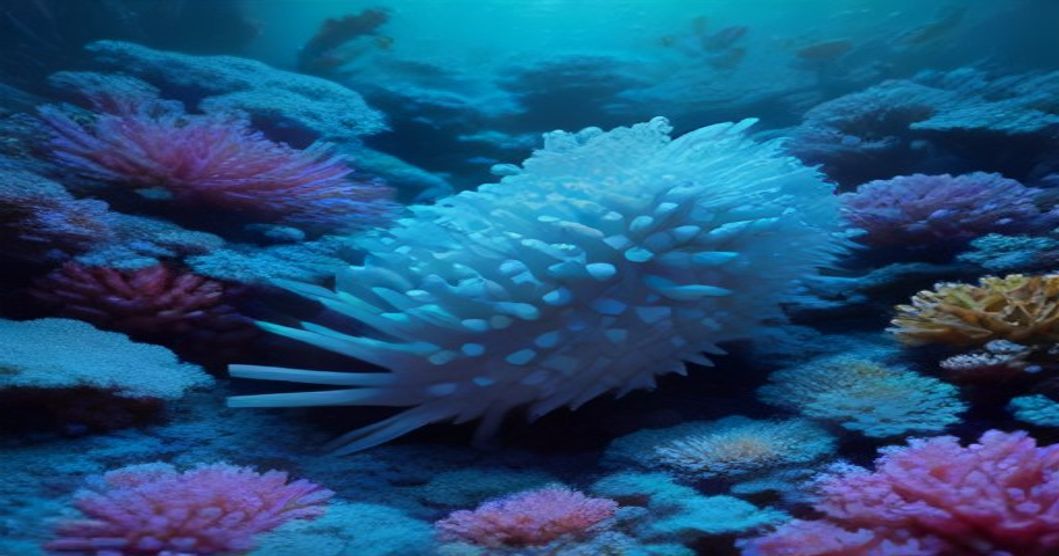
Introduction to the Bearded Fireworm
When exploring tropical coastal waters, marine life offers breathtaking beauty, but it also demands caution. Among the fascinating creatures inhabiting the coral reefs of the tropical Western Atlantic is the bearded fireworm, scientifically known as Hermodice carunculata. While they play a specific role in the marine ecosystem, these creatures pose a hidden hazard to humans and curious pets visiting the beach.
Physical Characteristics and Diet
Typically growing between 7 to 10 centimeters in length, some impressive specimens of Hermodice carunculata can reach up to a staggering 35 centimeters. As active predators in their reef habitats, their diet primarily consists of corals, sea anemones, and small crustaceans. Their striking appearance, adorned with tufts of white bristles, often attracts unwanted attention from beachgoers and animals alike.
The true danger lies in these very bristles, known as setae. These hollow, venom-filled structures are designed for defense. Upon even the lightest contact, the setae easily break off and embed themselves into the skin. The resulting sting is notoriously painful, often compared to a severe jellyfish sting, causing intense irritation, burning sensations, and prolonged discomfort.
Safety Tips for Beachgoers and Pets
If you are walking your dog along tropical shorelines or wading in the surf, always remain vigilant. Dogs can easily step on or investigate washed-up marine life out of curiosity. If you or your pet experience a fireworm encounter, avoid rubbing the area, as this pushes the setae deeper into the skin. Consult a medical professional or veterinarian immediately if severe reactions occur.