
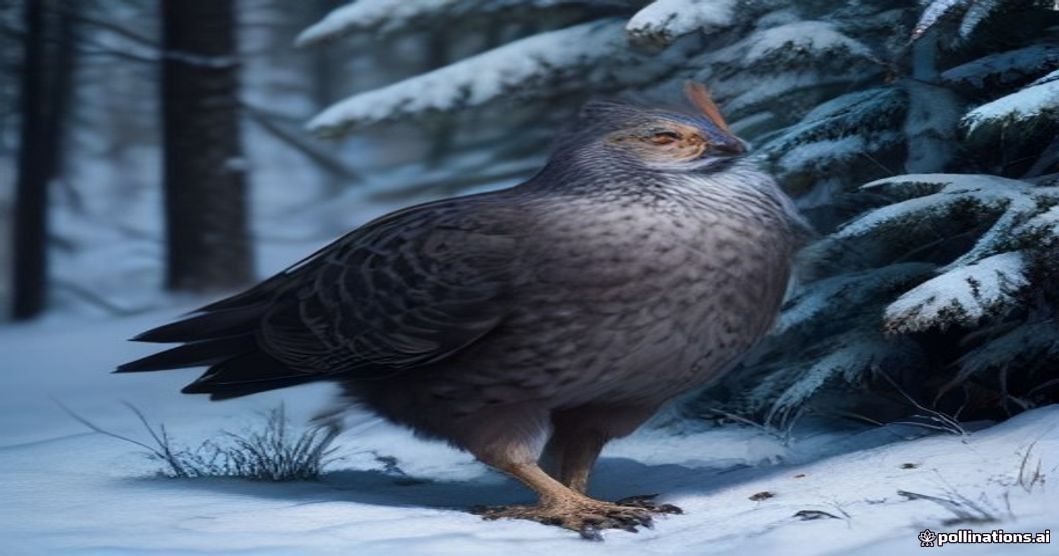
Introduction to the Siberian Grouse
The Siberian Grouse (Falcipennis falcipennis) stands as one of the most fascinating yet elusive avian residents of the northern taiga. Slightly larger than a typical partridge, this remarkable bird generally weighs between 400 to 800 grams. Primarily inhabiting the rugged terrain of the Amur region, mountainous taiga ecosystems, and the island of Sakhalin, the Siberian Grouse leads a quiet, largely terrestrial existence, engaging in minor vertical seasonal migrations in mountainous zones and rarely taking to the air.
Unique Behaviors and Conservation Vulnerabilities
Unlike many wild avian species that flee at the sight of humans, the Siberian Grouse possesses a distinct and perilous survival tactic: it freezes in place. While this camouflage technique historically protected it from natural predators in dense forests, it has tragically made the species exceptionally vulnerable to human hunters. This behavioral trait, combined with habitat changes, has pushed the species dangerously close to the brink of extinction, highlighting the urgent need for heightened wildlife conservation efforts.
Cultural Respect and Dietary Habits
Interestingly, indigenous peoples of the taiga have long maintained a traditional conservation ethic regarding the Siberian Grouse. Local communities historically refrained from hunting the bird, preserving it as a vital food reserve for exhausted or weakened travelers who were unable to capture faster, more elusive game. This culinary reluctance was also reinforced by the bird’s distinct diet; because the Siberian Grouse feeds almost exclusively on bitter pine needles during the harsh winter months, and transitions to seed boxes of moss, bilberry leaves, berries, and occasional insects in the summer, its meat carries a notably bitter flavor.
Conclusion
As a unique component of the taiga’s biodiversity, the Siberian Grouse requires our attention and protection. Understanding its delicate ecological niche, unique behavioral adaptations, and the historical human relationship with the species is essential for ensuring that this remarkable forest dweller does not vanish from the wild.