
Nature’s High-Stakes Thirst Quenchers
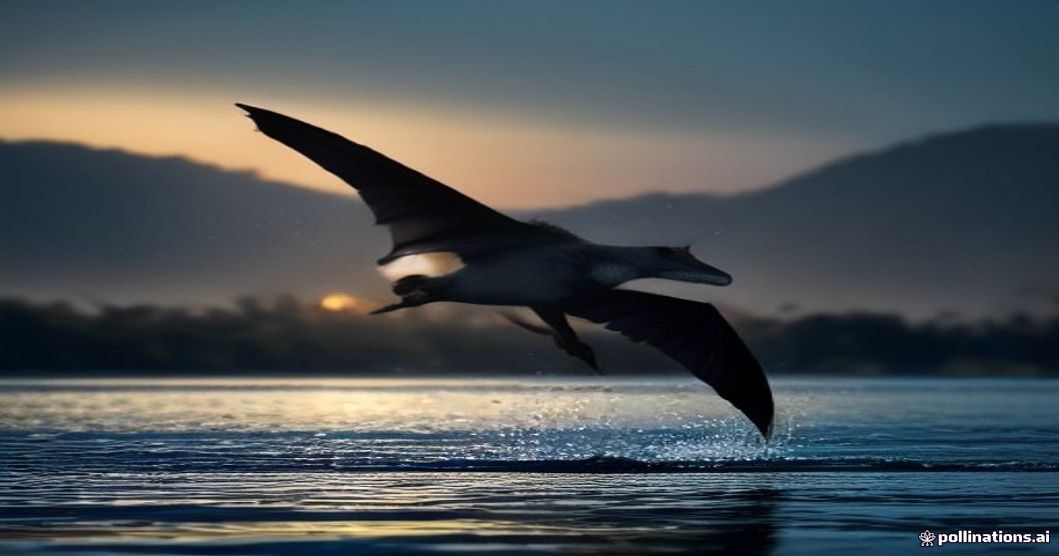
In the sweltering heat of northern Australia, wildlife survival often hinges on calculated risks. Among the most dramatic aerial displays in the animal kingdom is the drinking ritual of the flying fox (genus Pteropus). To hydrate and regulate their body temperature, these large megabats perform precise, belly-skimming swoops across freshwater rivers. By briefly dipping their chest fur into the surface, they absorb moisture that they later lick clean while safely roosting in the canopy. However, this critical cooling behavior does not go unnoticed beneath the water line.
The Ambush Predators: Freshwater Crocodiles
Lurking just below the ripples are Australian freshwater crocodiles (Crocodylus johnstoni). While smaller and generally more timid than their notorious saltwater cousins, ‘freshies’ are opportunistic and remarkably agile hunters. As thousands of flying foxes repeat their skimming trajectories over specific stretches of river, crocodiles position themselves along these flight corridors. Propelling themselves upward with powerful thrusts of their muscular tails, crocodiles launch vertical breaches to snap the bats mid-dip, demonstrating the fine margins between hydration and predation in the wild.
Sensory Adaptations: Life Without Echolocation
A common misconception is that all bats navigate through bio-sonar or echolocation. Flying foxes belong to the suborder Megachiroptera and, unlike their insect-hunting microbat relatives, completely lack laryngeal echolocation. From an evolutionary veterinary standpoint, they simply do not need it. Flying foxes are dedicated frugivores and nectarivores—essentially the vegans of the bat world—relying on a diet of flower blossoms, nectar, and native fruit pulp.
Instead of auditory mapping, flying foxes possess exceptionally keen eyesight adapted for both daylight and twilight, alongside a profoundly developed sense of smell (olfaction). These acute senses allow them to locate flowering eucalypts and fruiting fig trees across vast distances, as well as spot potential aquatic predators like crocodiles from above before descending toward the river surface.
Keystone Pollinators of the Australian Bush
Beyond the dramatic predator-prey dynamics, flying foxes play an irreplaceable veterinary and ecological role in forest health. As long-distance seed dispersers and blossom pollinators, their nightly foraging flights ensure genetic diversity across fragmented woodlands and rainforests. Understanding their unique sensory biology, nutritional physiology, and natural vulnerabilities highlights the interconnected nature of Australian ecosystems, where even a routine drink of water can determine evolutionary survival.