
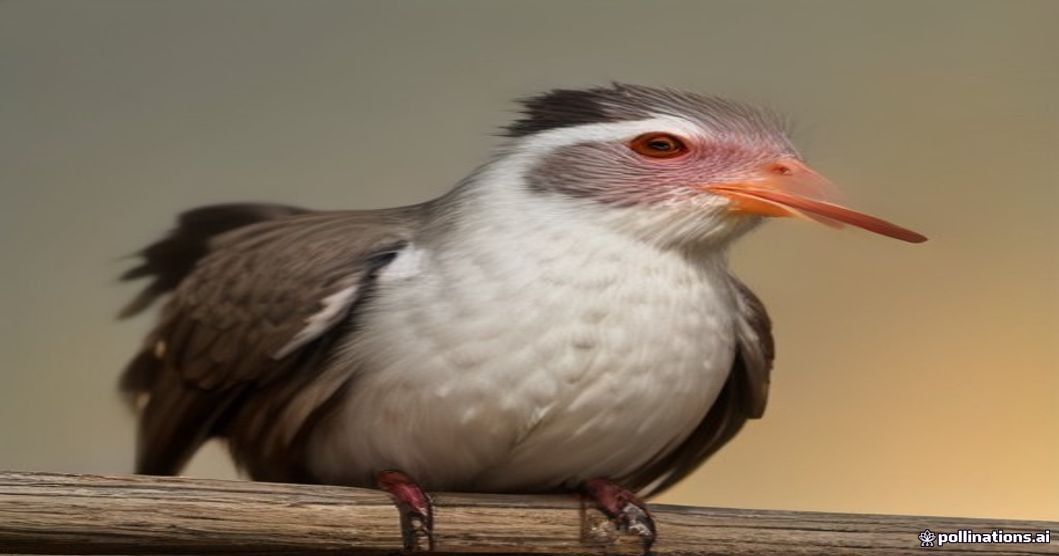
Across the vast savannas of sub-Saharan Africa, a striking ecological partnership plays out daily on the hides of the continent’s largest mammals. Oxpeckers, belonging to the distinct genus Buphagus, are remarkable, non-migratory birds renowned for their obligate association with large ungulates. From African buffaloes, zebras, and rhinoceroses to domesticated cattle, these birds serve as specialized, mobile groomers, providing a compelling subject for both wildlife biologists and veterinary parasitologists studying natural ectoparasite management.
Specialized Adaptations for a Life on Large Hosts
Oxpeckers possess distinct physical traits evolved specifically for life on the move across thick, mammalian hides. Equipped with remarkably sharp, laterally compressed claws, they can easily grip coarse hair and tough skin at steep, vertical angles without losing footing as the host runs or grazes. Furthermore, their stiff, reinforced tail feathers act as a supporting tripod—much like the tail of a woodpecker—allowing them to balance comfortably while systematically inspecting skin folds, ears, and nostrils for hidden pests.
Dietary Ecology: Natural Parasiticide in Action
In veterinary medicine, ectoparasite control is a critical component of herd health, preventing secondary infections, severe anemia, and vector-borne pathogens such as theileriosis and babesiosis. In the wild, oxpeckers fill this therapeutic niche. A single oxpecker can consume hundreds of engorged ticks, blood-sucking flies, and fly larvae in a single day. By picking out these pests directly from the host’s dermis, oxpeckers provide significant relief to grazing herbivores, helping reduce local vector density and offering a textbook example of biological pest control.
The Nuance of the Relationship: Mutualism vs. Opportunistic Feeding
While historically categorized as pure mutualists, modern veterinary ethology recognizes that the oxpecker-host interaction exists on a dynamic spectrum. In addition to consuming ticks, oxpeckers have a strong affinity for blood and tissue fluid. They are known to peck at existing skin lesions, keeping wounds open to feed on exudates and blood. While this can occasionally delay wound healing and cause mild irritation, studies demonstrate that the net benefits—notably the drastic reduction in total tick burden and the birds’ role as sentinels that vocalize sharp alarm calls at the approach of predators—generally outweigh the drawbacks for healthy hosts.
Daily Habits and Ecological Significance
Unlike migratory species, oxpeckers remain bound to their resident ranges throughout the year, shadowing wild herds and pastoral livestock across grazing pastures. As daylight wanes, they detach from their mammalian hosts and congregate in dense reed beds, riverbanks, or dead trees to roost safely in large, communal flocks. The preservation of both oxpecker populations and their megafauna hosts remains a vital indicator of savanna ecosystem stability, highlighting how nature maintains health, hygiene, and balance across species lines.