
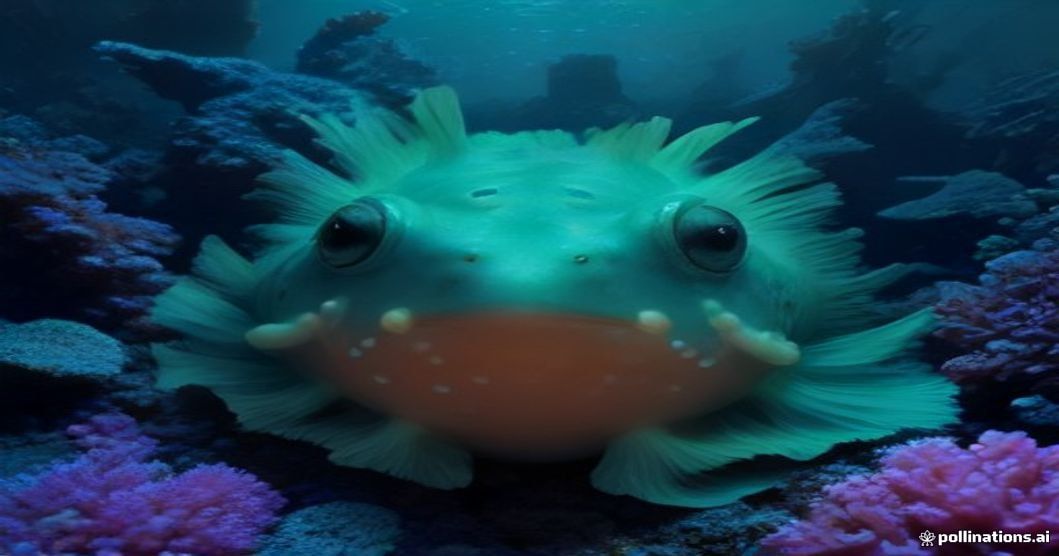
Introduction to the Marvellous Frogfish
In the vast and mysterious realm of marine life, few creatures are as uniquely adapted and delightfully bizarre as the frogfish. Scientifically known in part through species like the Antennarius striatus, these remarkable predators showcase some of the most specialized survival tactics found in the ocean. As a veterinarian and animal health expert, I am always fascinated by how nature crafts such specialized anatomies to ensure survival in competitive underwater ecosystems.
The Ultimate Underwater Illusionist
Growing up to 40 centimeters in length, the frogfish is a master of camouflage. Instead of traditional scales, its body is adorned with intricate skin filaments that allow it to blend seamlessly into coral reefs, sponges, and sandy sea floors. This remarkable adaptation is where it gets its common name; rather than swimming gracefully through the open water, frogfish are known for their peculiar, hopping-like movement along the ocean floor, much like their amphibian namesakes on land.
Lightning-Fast Predation and Built-in Regeneration
When it comes to hunting, the frogfish relies on a clever and astonishingly fast mechanism. It utilizes a modified spine fin—functioning much like a fishing rod—tipped with a wiggling lure to attract unsuspecting small fish. Once the prey comes close enough, the frogfish deploys one of the fastest movements in the animal kingdom, creating a sudden vacuum inside its mouth that sucks in its meal in a staggering 1/6000th of a second! Even more fascinating is the resilience of these creatures: if a larger, more aggressive fish happens to bite off its precious lure during the hunt, the frogfish is capable of completely regrowing a brand-new one within a matter of months.