
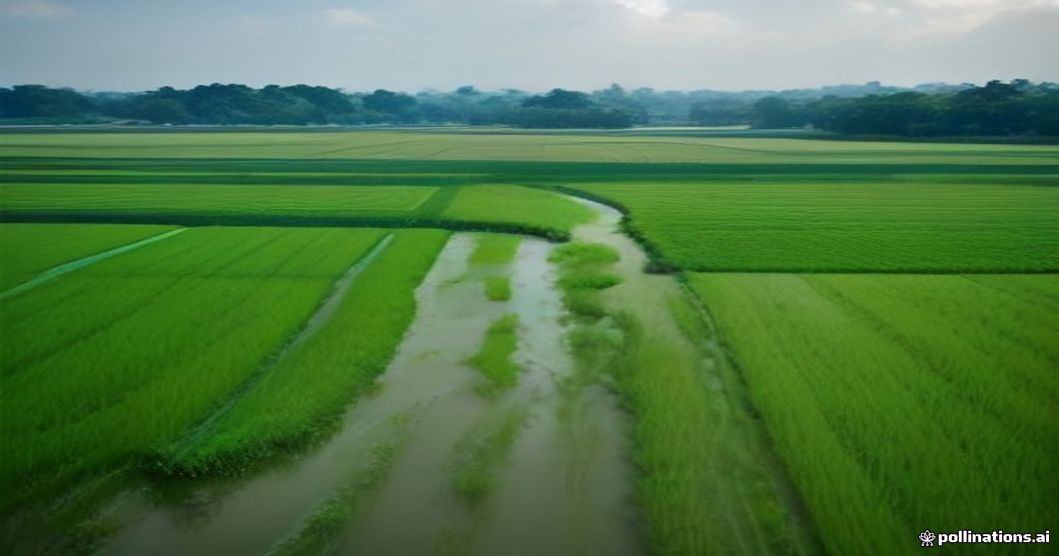
A recent captivating photograph capturing a line of domestic ducks gracefully traversing the vibrant green rice fields of India has brought international attention to a fascinating agricultural practice. Beyond the picturesque scenery, this image highlights a sophisticated, sustainable farming method where domestic waterfowl play a vital role in maintaining both crop health and animal welfare.
The Symbiotic Relationship Between Ducks and Rice Paddies
In many parts of rural India and broader Southeast Asia, integrating ducks into rice farming is an age-old tradition rooted in natural pest control and nutrient cycling. As the ducks forage through the flooded paddies, they consume a wide variety of pests, including snails, insects, and weed seeds that would otherwise damage the vulnerable rice shoots. This natural foraging behavior significantly reduces the need for chemical pesticides, promoting a healthier environment for both the crops and the animals.
Benefits for Avian Health and Welfare
From a veterinary and animal health perspective, free-ranging in agricultural landscapes offers immense benefits for domestic ducks (Anas platyrhynchos domesticus). Unlike confined poultry, these working ducks enjoy expansive foraging grounds that stimulate their natural instincts—paddling, dabbling, and socializing. Access to diverse natural diets rich in aquatic insects and plants provides essential micronutrients, leading to robust immunity, strong bone development, and overall enhanced psychological well-being.
Soil Fertilization and Sustainable Farming
In addition to pest management, ducks act as natural biological fertilizers. Their droppings are rich in nitrogen, phosphorus, and potassium, which immediately enrich the paddy soil and nourish the growing rice plants. Furthermore, as the ducks paddle through the shallow water, their webbed feet churn the mud, which aerates the soil and encourages deeper root growth for the rice plants. This gentle tilling also helps to suppress weeds by uprooting them before they can take hold.
A Model for Modern Eco-Friendly Agriculture
The striking imagery of ducks navigating lush Indian rice fields serves as a powerful reminder of how traditional farming methods can harmonize with nature. By leveraging the natural behaviors of these hardy birds, farmers achieve a self-sustaining ecosystem that reduces operational costs, protects environmental health, and ensures high standards of animal welfare. As global agriculture seeks greener alternatives, the humble duck stands out as an indispensable partner in sustainable food production.