
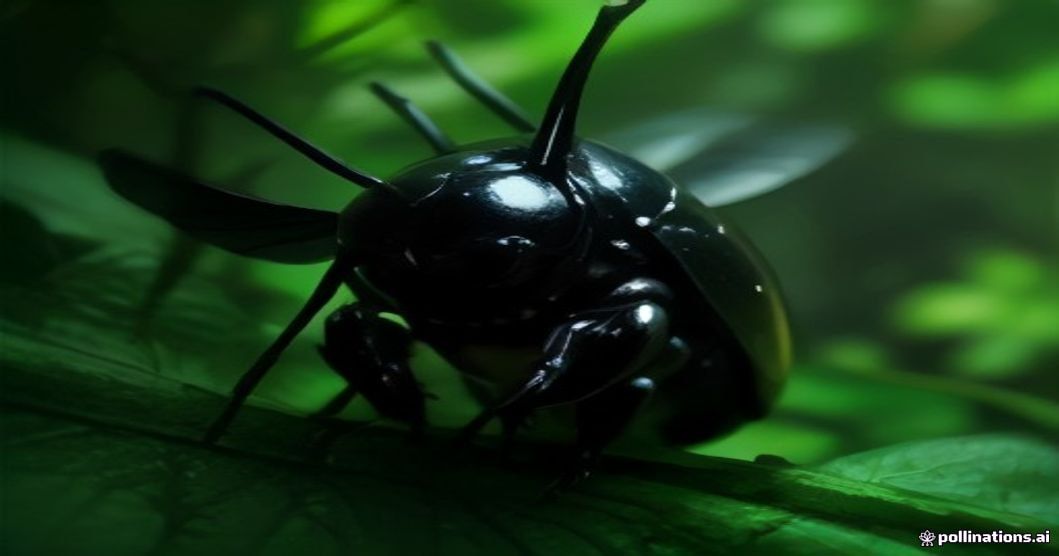
Introduction to the Hercules Beetle
As a veterinarian and pet care expert, I am often fascinated by the sheer diversity of the animal kingdom. Among the most awe-inspiring creatures is the Hercules beetle (Dynastes hercules), renowned as one of the largest beetles on Earth. Native to the lush tropical rainforests of Central and South America as well as the Caribbean islands, this magnificent insect thrives particularly well during the wet season, captivating entomologists and exotic pet enthusiasts alike.
Physical Characteristics and Sexual Dimorphism
The Hercules beetle displays striking sexual dimorphism. Adult males are truly colossal, averaging an impressive 125 to 145 mm in size, with some exceptional specimens boasting a wingspan of up to 22 cm. Their most prominent feature is the massive horn system on the head and thorax, which males use in competitive displays. Females, while lacking these dramatic horns, are still remarkably sized, reaching lengths of up to 80 mm. Despite their intimidating appearance, these giants are entirely harmless to humans.
Life Cycle, Reproduction, and Larval Development
The fascinating life cycle of the Hercules beetle begins when a female lays up to 100 eggs in small cavities within rotten wood. This decaying wood serves as the primary and vital food source for the developing offspring. First-stage larvae feed exclusively on small wood fibers, gradually transitioning to harder, rotting wood as they grow. By the final stages of their development, these voracious larvae can reach astounding lengths of up to 180 mm and weigh as much as 100 grams. Once fully grown, the larvae burrow into the ground to form a protective cocoon and undergo pupation.
Cultural Impact and Symbolism
Beyond their biological wonder, Hercules beetles hold a unique place in human culture. Their staggering size and legendary lifting strength—capable of carrying objects many times their own body weight—have made them popular subjects in art, folklore, and mythology. Across various cultures, they proudly symbolize raw power, endurance, and resilience, reminding us of the incredible diversity and strength found in the natural world.