
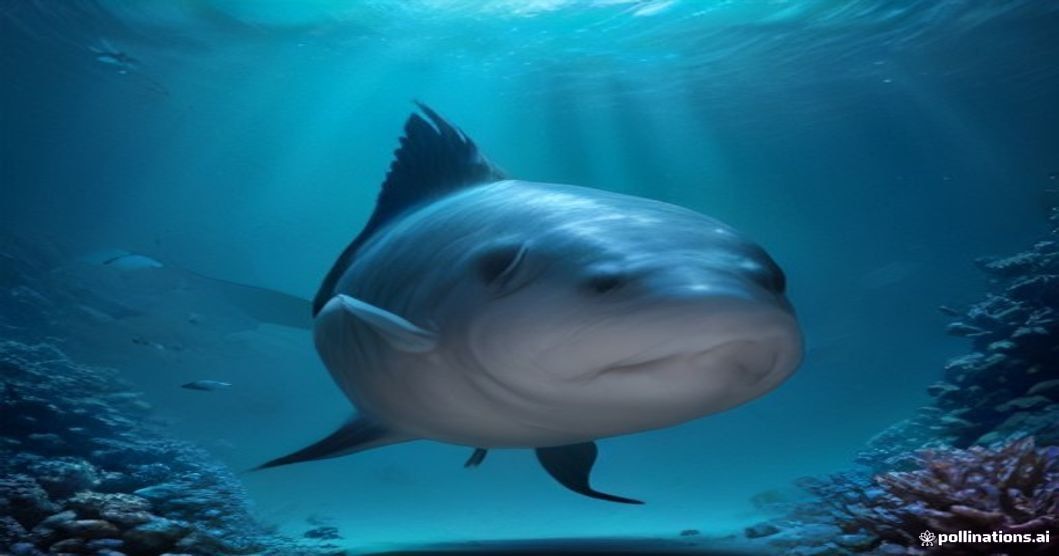
Introduction to the Longnose Batfish
Deep within the warm, vibrant waters of the Atlantic Ocean, stretching from the Antilles down to the coast of Brazil, resides one of the most fascinating and unusual inhabitants of the marine world: the Longnose Batfish. Known scientifically as Ogcocephalus nasutus, this captivating creature is a true marvel of marine evolution, instantly recognizable by its striking appearance and eccentric behaviors that never fail to intrigue marine biologists and aquarium enthusiasts alike.
Physical Characteristics and Unique Adaptations
Growing to an average length of about 30 centimeters, the Longnose Batfish is built more like a bottom-dwelling sculpture than a traditional swimming fish. Its flattened body is perfectly adapted for life on the coral reef floor. Perhaps its most famous and unforgettable feature is its vibrant, pouty red lips, which look almost as though they are wearing bright cosmetic lipstick. Paired with an elongated, horn-like snout protruding from its forehead, this fish possesses a look that is both comical and mesmerizing.
The Walking Fish of the Ocean Floor
Unlike many of its swift-swimming reef neighbors, the Longnose Batfish has largely abandoned the art of traditional swimming in favor of a terrestrial approach. Utilizing its highly specialized and muscular pectoral and pelvic fins, this marine wonder literally “walks” along the sandy ocean floor and around coral structures. This benthic locomotion allows it to conserve energy while expertly navigating its complex habitat.
Diet and Hunting Strategy
As an opportunistic carnivore, the Longnose Batfish relies on stealth and specialized anatomy to secure its meals. Its diet primarily consists of small fish, crustaceans, and mollusks. To attract unsuspecting prey, the batfish employs a clever biological tool: a small appendage hidden beneath its snout called the illicium. It can extend this lure, releasing a chemical scent that mimics prey and draws smaller animals directly toward the batfish’s formidable, waiting mouth.
Conservation and Conclusion
While the Longnose Batfish is not currently a primary focus of commercial fisheries, its reliance on delicate coral reef ecosystems makes it vulnerable to habitat degradation, climate change, and pollution. Preserving these rich Atlantic habitats is crucial to ensuring that this charismatic, red-lipped walker continues to grace the ocean floor for generations to come, reminding us of the incredible diversity and wonder of aquatic life.