
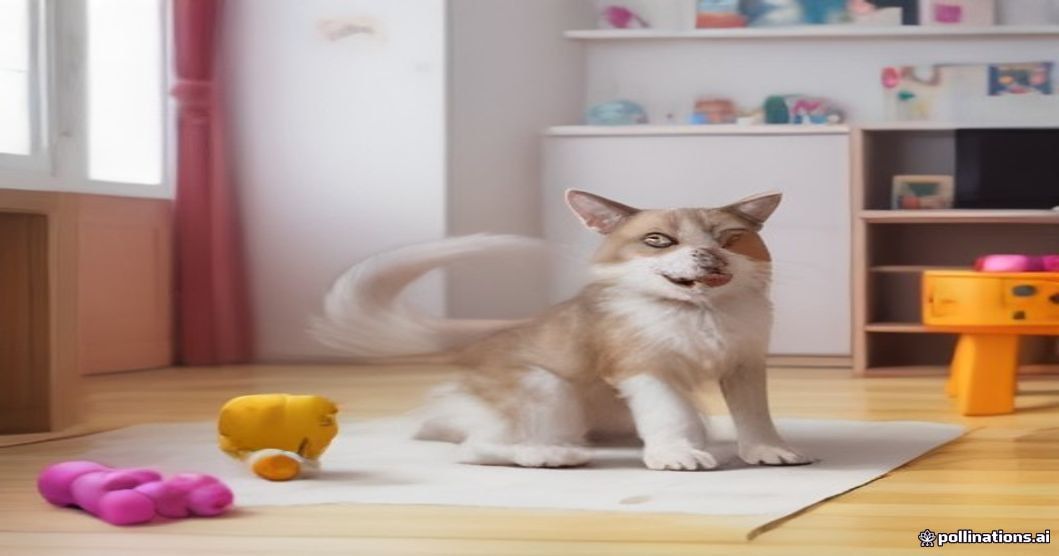
Understanding Pet Boredom
As a veterinarian, I often see pets brought into the clinic with symptoms ranging from lethargy to destructive behavior, and the underlying culprit is frequently simple boredom. Animals, much like humans, require mental stimulation alongside physical exercise to thrive. When our pets lack environmental enrichment, they can develop behavioral issues, anxiety, and even physical health problems related to stress and inactivity.
Recognizing the Signs
How do you know if your furry friend is bored? Common indicators include excessive licking or grooming, scratching furniture, pacing, scavenging for food, or even apparent depression. Recognizing these signs early allows pet parents to intervene and drastically improve their companion’s quality of life through targeted enrichment activities.
Practical Ways to Relieve Boredom
Fortunately, dispelling boredom doesn’t always require a complete lifestyle overhaul. Introducing puzzle toys, rotating their toy selection weekly, and engaging in short training sessions can work wonders for their cognitive health. For dogs, varying your walking routes provides novel scents to explore, while cats benefit immensely from window perches, interactive wand toys, and food-dispensing foraging mechanisms that tap into their natural hunting instincts.
The Veterinary Verdict
Ultimately, relieving your pet’s boredom is a crucial pillar of preventive veterinary care. A mentally stimulated pet is a healthier, better-behaved companion. By dedicating just a little extra time each day to interactive play and environmental enrichment, you can ensure your pet leads a vibrant, fulfilling life.