
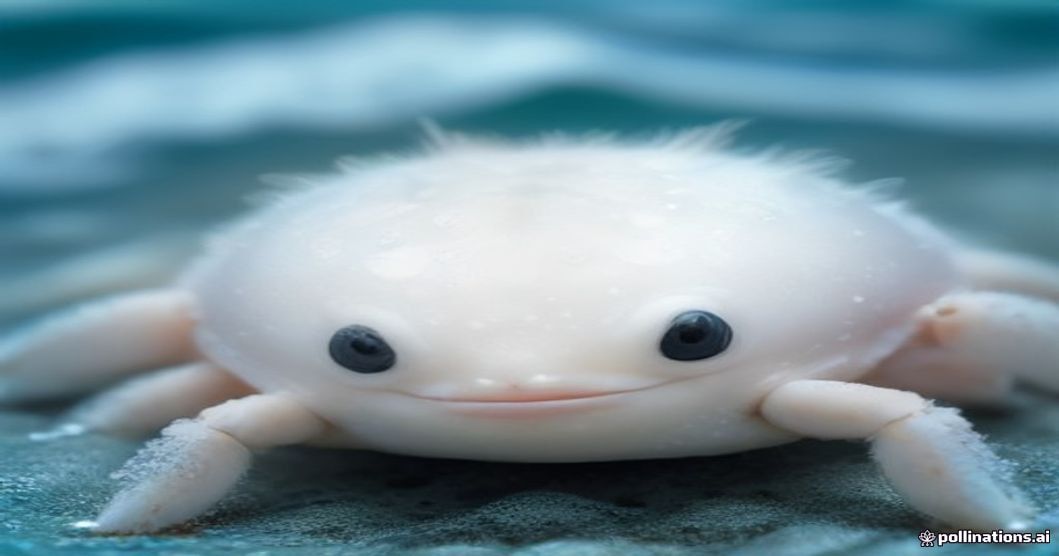
The Marvel of Marine Adaptation
As a veterinarian and pet care enthusiast, I am always fascinated by the incredible survival mechanisms animals use to thrive in their environments. One of the most intriguing natural wonders is how certain crustaceans, like crabs, manage to survive out of water. Have you ever wondered why a crab produces bubbles or foam around its mouth and gills when it is removed from the ocean? This isn’t just a quirky behavior—it is a sophisticated survival trick.
How Crabs Use Foam to Prevent Suffocation
Unlike mammals that use lungs to breathe air, crabs are equipped with gills that extract dissolved oxygen from water. When a crab finds itself stranded on land during low tide or exploring the shoreline, its delicate gill structures face a severe threat: drying out. If gills dry completely, the crab cannot absorb oxygen, leading to rapid suffocation. To prevent this, the crab retains a pocket of water in its gill cavity and rapidly beats its mouthparts to whip this water and air into a bubbly foam.
Efficient Oxygen Utilization
This clever foam acts as a portable, high-tech life support system. By increasing the surface area of the trapped water, the foam allows the crab to absorb oxygen from the surrounding air much more efficiently. Furthermore, this frothy barrier traps moisture, keeping the delicate gill filaments damp and functional while the crab navigates dry land. It is a brilliant evolutionary adaptation that showcases the resilience of marine life and reminds us of the endless wonders hidden within the animal kingdom.