
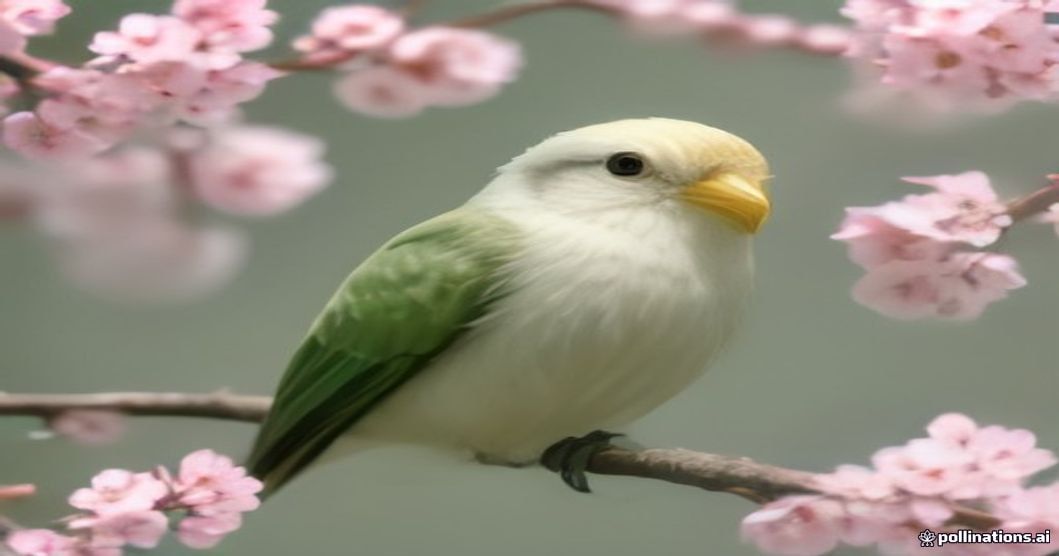
Introduction to the Japanese White-Eye
The Japanese White-Eye, scientifically known as Zosterops japonicus and affectionately called the Mejiro in Japan, is a delightful and energetic passerine bird renowned for its vibrant olive-green plumage, distinctive white eye-ring, and melodious song. As a veterinarian and avian care specialist, I often encounter bird enthusiasts captivated by their charm. However, keeping these active little birds requires specialized knowledge of their unique physiological and nutritional needs to ensure they thrive in a captive environment.
Understanding Dietary Requirements
One of the most critical aspects of Japanese White-Eye care is their diet. In the wild, these birds are primarily nectarivorous and frugivorous, supplemented heavily by insects, especially during the breeding season. In captivity, mimicking this high-metabolism diet is essential. They require a specialized softbill diet, fresh nectar or high-quality commercial lorikeet powder, finely chopped fruits such as papayas, berries, and apples, and live insects like pinhead crickets or fruit flies to provide vital protein.
Habitat and Housing Needs
Because Japanese White-Eyes are exceptionally active and constantly flit from branch to branch, horizontal flight cages are vastly superior to tall, narrow cages. Provide plenty of natural wood perches of varying diameters to promote foot health. Given their social nature in the wild, they often do well in species-appropriate aviaries, though single birds can bond closely with human caretakers if given adequate attention and environmental enrichment.
Common Health and Veterinary Concerns
As with all small caged birds, preventative veterinary care is paramount. Japanese White-Eyes are particularly prone to iron storage disease (hemochromatosis), making it crucial to offer a low-iron diet specifically formulated for softbill birds. Additionally, their high metabolic rate means that illnesses can progress rapidly; signs such as fluffed feathers, lethargy, or changes in droppings warrant an immediate consultation with an avian veterinarian. Regular cage hygiene and parasite prevention will keep your Mejiro singing happily for years to come.