
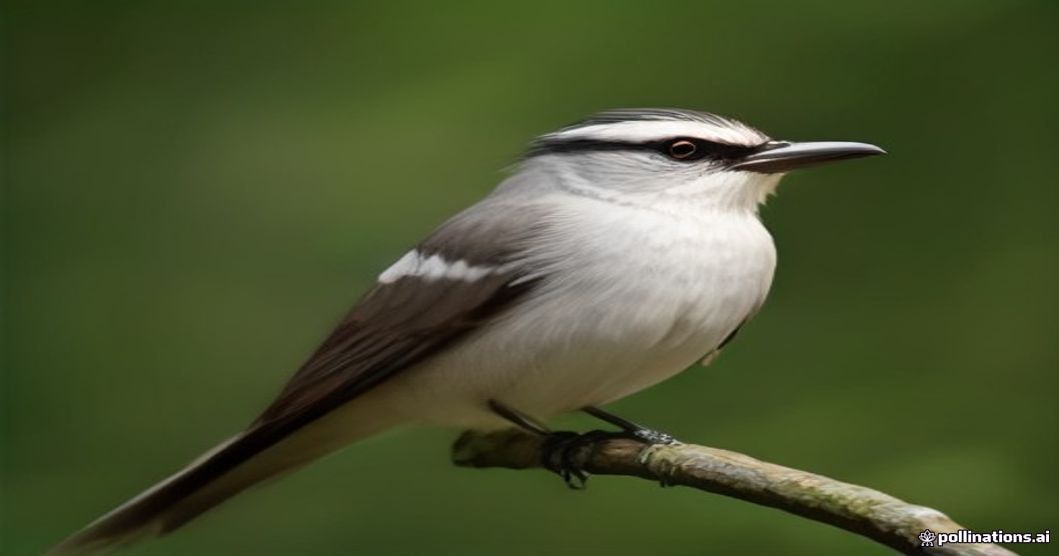
Introduction to the White-browed Shrike-babbler
The White-browed Shrike-babbler, scientifically known as Pomatorhinus schisticeps, is a remarkable songbird native to South and Southeast Asia. Spanning countries such as Bangladesh, Bhutan, Cambodia, India, Laos, Myanmar, Nepal, Thailand, and Vietnam, this avian species thrives within the lush environments of subtropical or tropical moist lowland and montane forests.
Unique Appearance and Vocalization
True to its name, this bird features distinct physical and behavioral traits. The term “shrike” is derived from its characteristic curved beak, reminiscent of a sharp blade, while “babbler” highlights its vocal nature and incessant, lively chatter that echoes through the forest canopy.
Diet and Foraging Habits
Primarily insectivorous, the White-browed Shrike-babbler plays a vital role in maintaining ecological balance by managing insect populations. However, their diet is quite diverse; they also forage for berries, small lizards, and other small vertebrates to meet their nutritional needs.
Complex Social Structure and Cooperative Breeding
One of the most intriguing aspects of this species is its community-driven lifestyle. Typically living in flocks of about ten individuals, these birds work together to jointly defend their established territory. Even more fascinating is their cooperative breeding behavior—a relatively rare trait in the avian world. While a dominant pair takes the lead in building the nest, other members of the community actively pitch in to protect and raise the chicks, ensuring the survival and well-being of the next generation.