
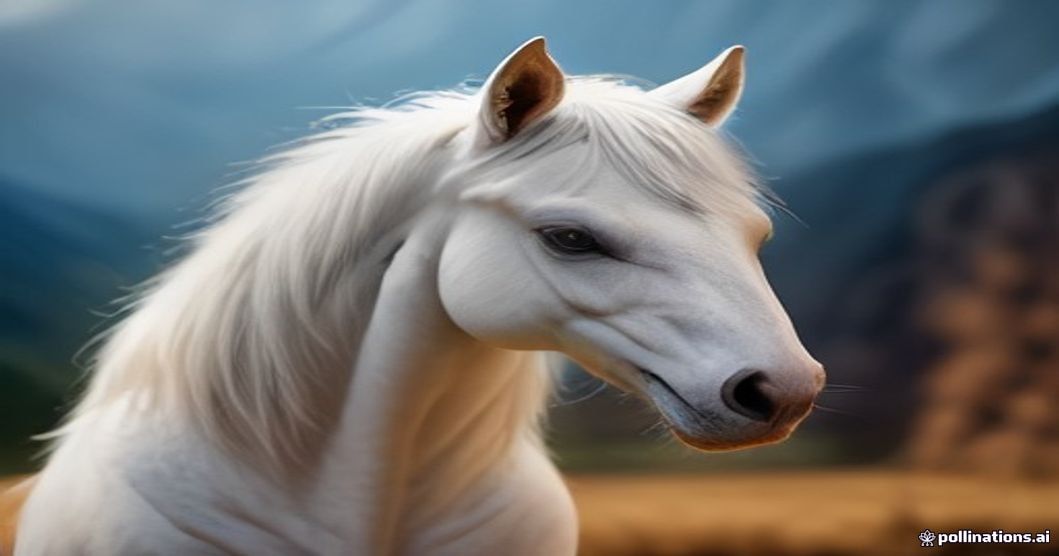
The Frozen Legacy of the Altai Mountains
In the high-altitude reaches of the Altai Mountains, the Pazyryk burial mounds have served as a remarkable time capsule, preserving organic materials through unique permafrost conditions. For those of us in the veterinary and animal health community, these archaeological treasures provide an unprecedented look into the ancient relationship between humans and their animals, particularly the horse.
Equine Preservation and Ancient Care
The Pazyryk sites are world-renowned for the discovery of remarkably preserved horse remains. These animals were not merely beasts of burden; they were central to the socio-economic and cultural identity of the Pazyryk nomads. Veterinary analysis of these remains has offered profound insights into ancient animal husbandry, suggesting that these horses were groomed, fed, and cared for with a level of attention that mirrors modern companion animal management.
Lessons from the Past
From a modern veterinary perspective, the saddles, bridles, and decorative harnesses found within these mounds illustrate an early understanding of animal ergonomics. The skeletal analysis of the buried horses reveals evidence of long-distance travel and specific physical stressors, allowing contemporary researchers to model the progression of musculoskeletal conditions in equines throughout history. By studying these ancient specimens, we gain a deeper appreciation for the evolution of veterinary medicine and the timeless bond we share with the animals under our care.