
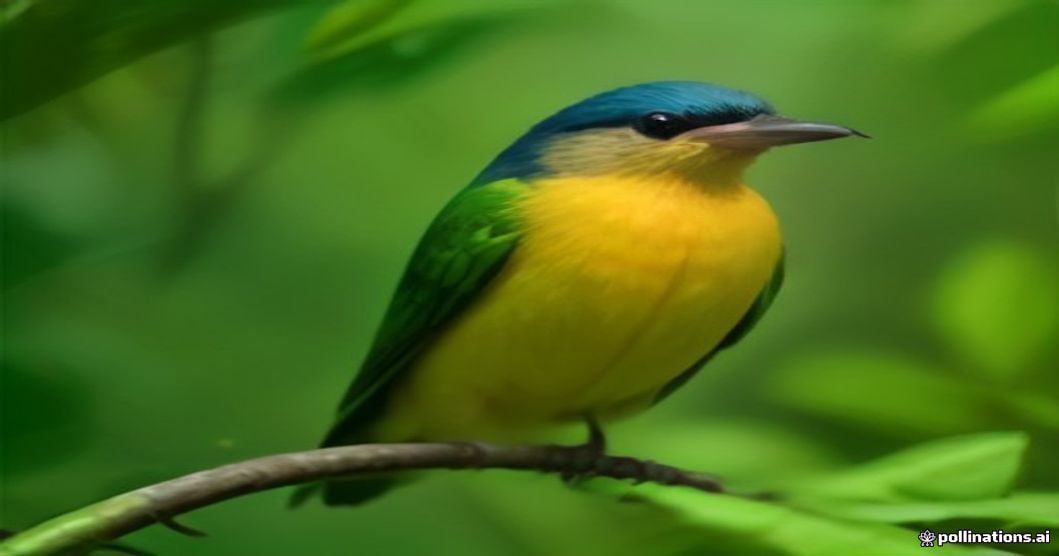
Introduction to the Cuban Tody
The Cuban Tody (Todus multicolor) is a true jewel of the avian world. As a professional veterinarian and avian enthusiast, I am always captivated by the remarkable adaptations packed into this tiny, round bird. Measuring a mere 10 to 11 centimeters in length and weighing an exceptionally light 4.5 to 8.5 grams, this petite species is endemic to Cuba and its surrounding islands, where it thrives in diverse habitats ranging from open forests and riverbanks to coastal areas.
Stunning Physical Characteristics and Unique Identification
One of the most remarkable features of the Cuban Tody is its striking coloration and specialized anatomy. The bird boasts a brilliant green upper body that provides excellent camouflage in its lush tropical habitat, contrasted by a soft gray chest and belly. A vibrant red throat immediately draws the eye, complemented by a long, flat bill that is perfectly adapted for its predatory lifestyle. Furthermore, bird enthusiasts can easily identify this species by a distinctive light blue patch near its ears—a unique biological marker exclusive to the Cuban Tody.
Behavioral Ecology: Nesting and Diet
Beyond its striking appearance, the Cuban Tody exhibits fascinating behavioral traits. Unlike many birds that build traditional tree nests, the Cuban Tody excavates intricate burrows up to 30 centimeters long into clay or sandy riverbanks to protect its young.
From a nutritional standpoint, this tiny predator plays a crucial role in local ecosystem health by managing insect populations. Its diverse diet primarily consists of high-energy invertebrates, including caterpillars, beetles, hawk moths, and flies, alongside spiders and small vertebrates like anoles (small lizards). To supplement its carnivorous intake, the Cuban Tody will also consume various soft fruits, showcasing a well-rounded natural foraging strategy.