
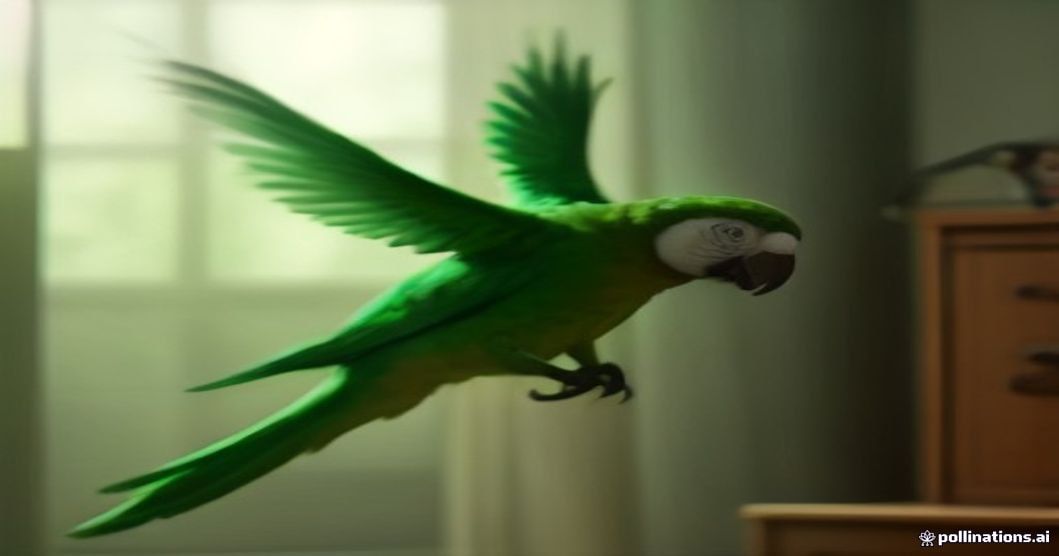
Introduction to Avian Flight
For pet birds, flight is not just a method of locomotion; it is a fundamental aspect of their physical health and psychological well-being. When a young bird is learning to fly, or when an adult bird is regaining aerial confidence, owners play a crucial role in facilitating this natural behavior safely.
The Anatomy of Flight
Understanding how birds achieve flight helps us appreciate the importance of proper conditioning. Feathers, lightweight skeletal structures, and powerful pectoral muscles all work in unison. As a veterinarian, I always emphasize that regular flight exercise strengthens the cardiovascular system, improves respiratory health, and prevents obesity in companion parrots and other pet birds.
Creating a Safe Environment
Before encouraging flight training indoors, you must bird-proof your space. Ensure all ceiling fans are turned off, windows and glass doors are clearly marked or closed, and toxic plants or hazardous chemicals are safely stored. Soft landings are essential for beginners, so practicing over a carpeted room or placing rolled-up towels near walls can prevent accidental bumps and bruises.
Step-by-Step Flight Training
Start with simple ‘step-up’ exercises on your hand, gradually increasing the distance to encourage short hops. Use positive reinforcement, such as favorite treats or enthusiastic praise, to reward successful flights. Never force a bird to fly if they show signs of fear or exhaustion. Patience and consistency will build their trust and aerial coordination over time.
Conclusion
Watching your feathered companion take to the air for the first time is a rewarding experience that strengthens the bond between human and animal. By prioritizing safety, proper nutrition, and gradual conditioning, you ensure that your bird enjoys a long, healthy, and high-flying life.