
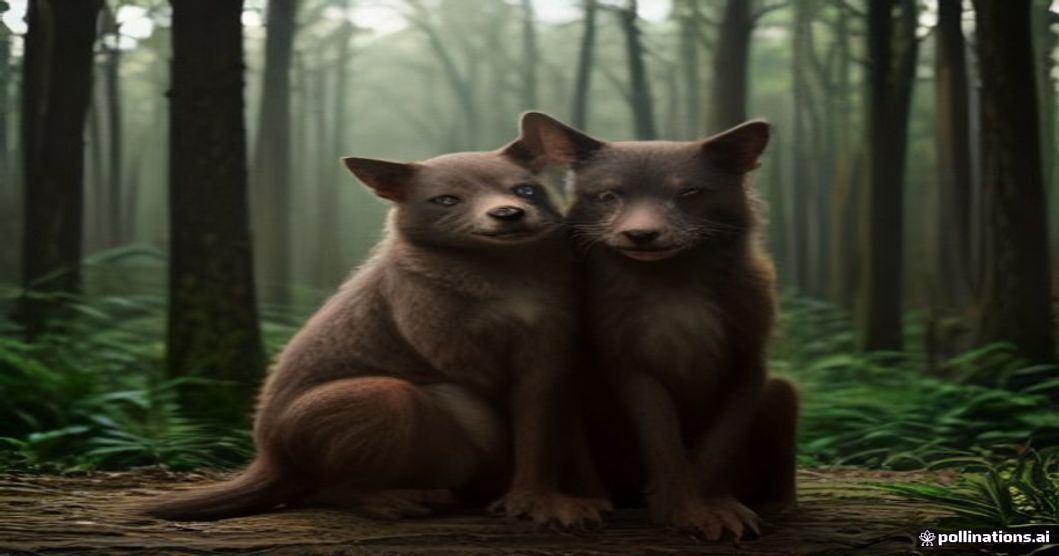
As a veterinarian and wildlife health expert, my journey across the globe often leads me to marvel at the sheer resilience and unique physiology of some of the world’s most fascinating marsupials. Among them, the Tasmanian Devil (Sarcophilus harrisii) stands out not only for its fierce reputation and iconic vocalizations, but also as a fascinating subject of veterinary medicine and conservation biology.
Anatomy and Unique Physiology
Endemic to the island state of Tasmania, Australia, the Tasmanian Devil is the world’s largest surviving carnivorous marsupial. Despite their modest size—resembling a small, stocky dog—they possess a deceptively powerful bite force relative to their body mass, enabled by a robust skull and specialized jaw musculature. From a veterinary perspective, their dental anatomy is equally impressive, designed for crushing bones and consuming entire carcasses, which plays a crucial role in their ecosystem as natural scavengers.
Behavioral Dynamics and Health
In the wild, devils are largely solitary and nocturnal, communicating through a complex repertoire of screeches, growls, and grunts. While these vocalizations often sound aggressive, they are typically associated with feeding rituals and social hierarchy maintenance. Maintaining optimal health in these animals requires a delicate balance of nutrition, space, and minimized stress, particularly when managed in zoological and conservation breeding programs.
The Battle Against Facial Tumor Disease
No discussion of Tasmanian Devil health is complete without addressing Devil Facial Tumor Disease (DFTD). As a transmissible, parasitic cancer spread primarily through biting during social interactions, DFTD has devastated wild populations over the past few decades. Veterinary researchers, immunologists, and conservationists have worked tirelessly to develop vaccines, monitor wild populations, and establish disease-free insurance colonies on Maria Island and mainland sanctuaries to secure the future of the species.
Conservation Outlook
The plight of the Tasmanian Devil highlights the intersection of veterinary science and wildlife conservation. Through ongoing disease surveillance, genetic diversity management, and captive breeding initiatives, there is profound hope for the recovery of this iconic marsupial. Safeguarding the Tasmanian Devil ensures the ecological health of its native habitat, preserving a vital predator for generations to come.