
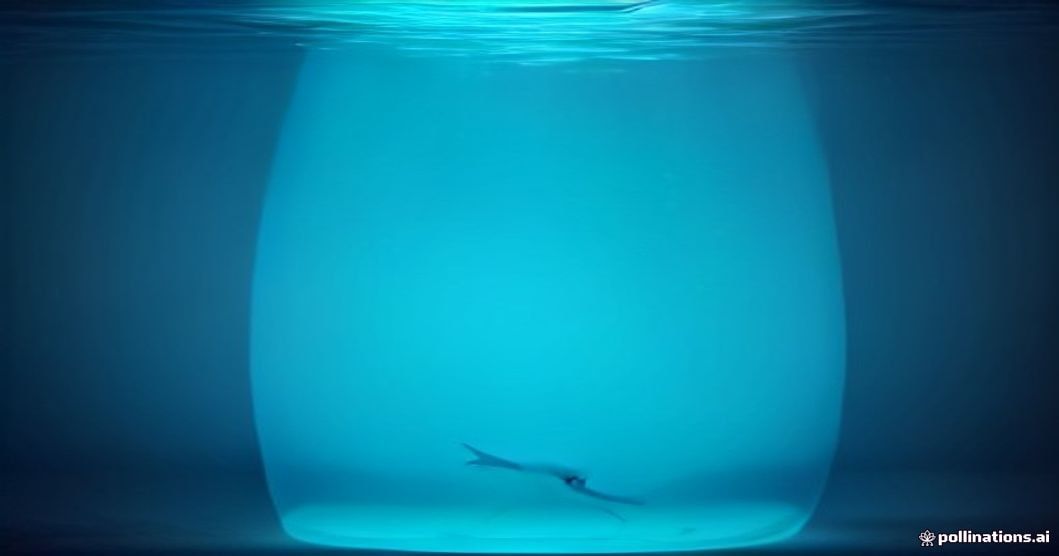
Introduction to the Glass Squid
In the mysterious depths of the world’s oceans reside some of the most extraordinary creatures on Earth. Among them, the Glass Squid of the family Cranchiidae stands out as a true marvel of marine biology. True to their name, these transparent cephalopods feature bodies that are almost entirely see-through, offering a rare glimpse into their inner anatomical workings.
Mastering Ocean Camouflage
Living in the pelagic zone means constant exposure to predators from both above and below. The glass squid’s transparency serves as a brilliant evolutionary camouflage, making it nearly invisible to both unsuspecting prey and hungry predators. To further enhance this stealth, many species utilize specialized bioluminescent organs called photophores. Positioned strategically on their bodies, these organs emit light to eliminate their silhouettes against the sunlight filtering down from the surface—a clever trick known as counter-illumination.
Effortless Buoyancy Control
Maintaining position in the water column without expending excessive energy is a major challenge for deep-sea animals. Glass squid have solved this through a unique biochemical adaptation: their bodies contain high concentrations of ammonium compounds. Because these compounds are lighter than surrounding seawater, they act as a natural flotation device, allowing the squid to float effortlessly and conserve vital energy in a nutrient-poor environment.
Conclusion
The glass squid exemplifies how extreme environments shape remarkable physiological adaptations. From their crystal-clear bodies to their sophisticated buoyancy and light-producing mechanisms, these creatures continue to captivate marine biologists and ocean enthusiasts alike, reminding us of the endless wonders hidden beneath the ocean waves.