
Journey to the High Andes
High in the breathtaking landscapes of Peru lie the ancient ruins of Ankasmarka, a site steeped in rich Incan history and agricultural heritage. While travelers often visit to marvel at the stone architecture and sweeping valley views, a pet care expert and veterinarian sees something far more profound: a living museum of animal domestication and human-animal bonds that shaped the Andes.
The Historical Role of Andean Camelids
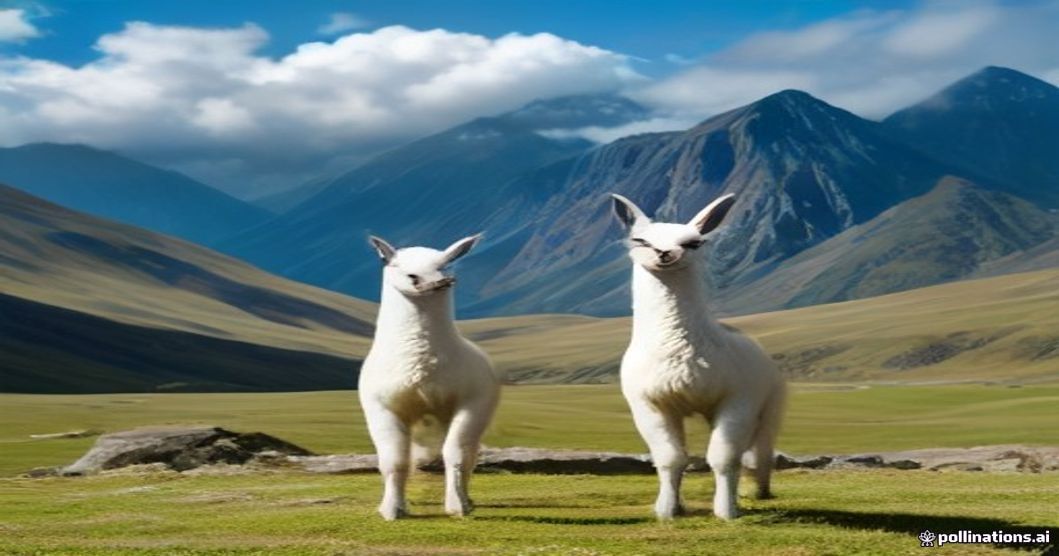
As we explore the terraces and stone storehouses of Ankasmarka, we are reminded of the critical role that camelids—specifically llamas and alpacas—played in ancient South American civilizations. These hardy animals were the lifeblood of transport, wool production, and sustenance. Understanding their historical environment helps modern veterinarians appreciate the incredible resilience and specialized physiological adaptations these magnificent creatures still possess today.
Preserving Animal Health in Extreme Climates
The harsh altitude and fluctuating temperatures of Ankasmarka present extreme environmental challenges, much like those faced by working and companion animals in high-altitude regions today. Proper veterinary care in such climates requires a deep understanding of respiratory health, nutritional needs, and parasite prevention. By studying how ancient populations managed their livestock alongside their domestic dogs, modern pet care professionals gain valuable insights into holistic animal husbandry and welfare.
The Modern Connection: Traveling with Pets in Peru
Today, adventurous pet owners frequently seek out historical destinations like Ankasmarka. However, trekking through high-altitude archaeological sites with animal companions requires careful planning. Ensuring proper acclimatization, hydration, and paw protection is essential to keeping your furry family members safe. Whether you are caring for a native working breed or traveling with a domestic pet, honoring the historical harmony between humans and animals in Peru inspires us to provide the highest standard of modern veterinary care.