
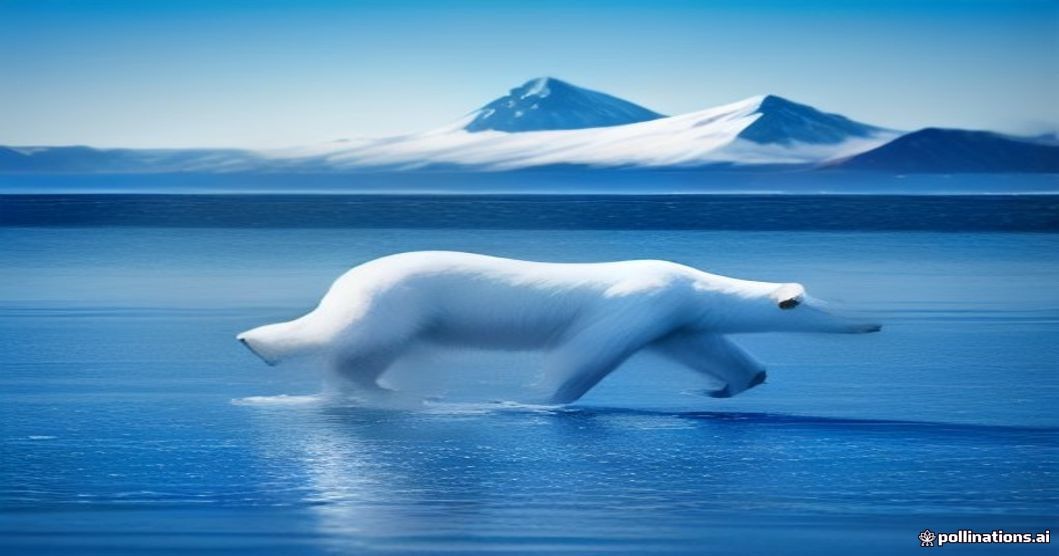
Introduction to the Arctic Apex Predator
The polar bear, scientifically known as Ursus maritimus, stands as the undisputed king of the Arctic wilderness. As the largest land carnivore on Earth, this magnificent marine mammal is exquisitely adapted to thrive in one of the most extreme environments known to science. From their specialized blubber layers to their unique predatory behaviors, polar bears represent a pinnacle of evolutionary biology.
Anatomy and Physiological Adaptations
Veterinary and zoological studies reveal that polar bears possess remarkable physiological adaptations designed for sub-zero survival. Contrary to popular belief, their fur is not actually white; individual guard hairs are transparent and hollow, scattering and reflecting visible light to provide camouflage against the snow and ice. Beneath this thick coat lies black skin, which efficiently absorbs solar heat to maintain their optimal body temperature. Furthermore, a dense subcutaneous fat layer—sometimes measuring up to 4.5 inches (11 cm) thick—provides both exceptional thermal insulation and crucial energy reserves during periods of fasting.
Diet, Hunting, and Marine Mammal Health
Unlike their terrestrial grizzly and brown bear relatives, polar bears are classified as marine mammals due to their heavy dependence on the ocean for sustenance. Their primary diet consists of ringed and bearded seals, which they hunt by patiently waiting at breathing holes in the sea ice or stalking them while resting. This high-fat diet is essential for their survival, providing the rich caloric intake needed to endure harsh Arctic winters and the fasting periods of the summer melt. Veterinary researchers closely monitor seal populations, as any fluctuations directly impact the nutritional status, reproductive success, and overall health of polar bear populations.
Conservation Status and Veterinary Challenges
Today, polar bears face unprecedented challenges primarily driven by climate change. As global temperatures rise, the seasonal sea ice melts earlier and freezes later, drastically reducing the hunting platforms these bears rely upon. This habitat loss leads to prolonged fasting, lower cub survival rates, and increased human-wildlife conflict as starving bears search inland for alternative food sources. Conservation medicine and wildlife veterinary teams play a critical role in tracking population health, managing humane interventions, and advocating for global climate policies to ensure that Ursus maritimus continues to roam the frozen north for generations to come.