
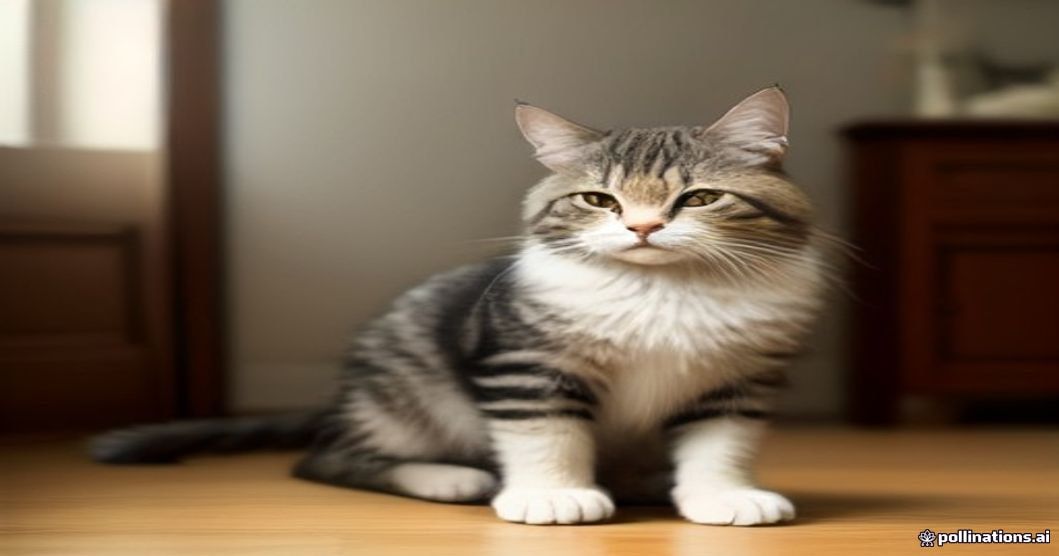
Understanding Cat Behavior
As pet care experts and veterinarians, we often receive amused complaints from cat owners who feel their feline friends are giving them the ultimate cold shoulder. When a cat arches its back away from affection or swats gently at a hovering hand, it is easy to anthropomorphize the moment and imagine they are thinking, ‘Annoying human.’ However, this behavior rarely stems from genuine malice.
The Science of Feline Personal Space
Cats are notoriously sensitive to environmental stimuli, overstimulation, and changes in their daily routine. Unlike dogs, which were bred for pack cooperation, domestic cats retain a more solitary evolutionary blueprint. When a human encroaches on their personal space without reading subtle body language cues—such as tail twitching or flattened ears—the cat feels compelled to set a boundary.
How to Build a Better Bond
To transform from an ‘annoying human’ into a trusted companion, practice consent-based petting. Allow your cat to approach you, sniff your extended finger, and initiate contact. Respecting their need for autonomy not only reduces feline stress but ultimately strengthens the affectionate bond between pet and parent.