
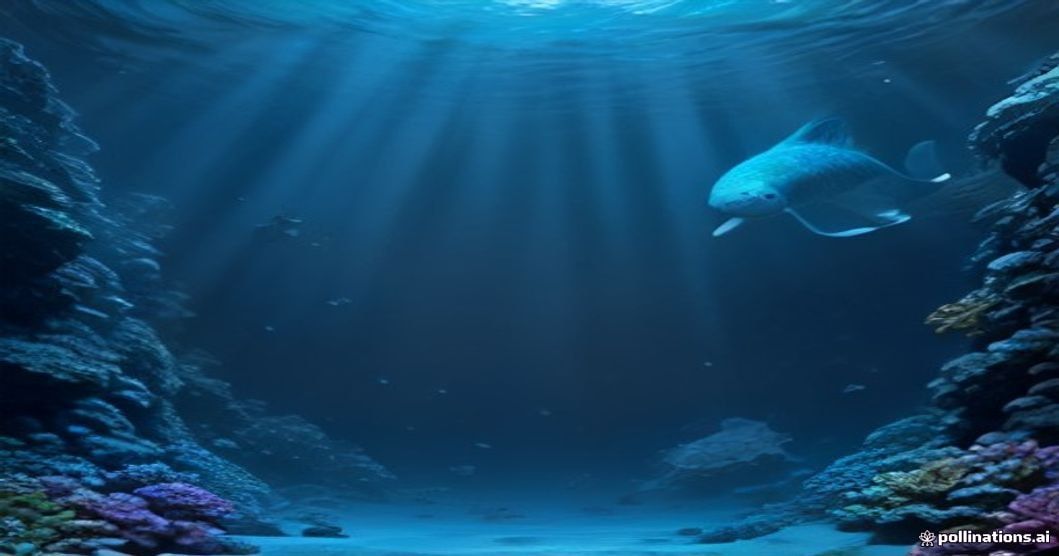
Introduction to the Peacock Grouper
The Peacock Grouper (Cephalopholis argus) is a stunning and vibrant reef predator instantly recognizable by its striking electric-blue spots scattered across a dark, olive-brown body. Native to the tropical waters of the Indo-Pacific, this magnificent marine species commands attention in both its natural coral reef habitat and within specialized advanced aquarium setups.
Natural Habitat and Behavioral Ecology
In the wild, Peacock Groupers inhabit rich coral reefs and lagoons, where they act as apex ambush predators. Their diet primarily consists of small fish and benthic crustaceans, which they capture with rapid, explosive strikes. Socially, these fish exhibit fascinating territorial behaviors; adults typically occupy well-defined home ranges on the reef, with dominant males actively defending their territory from rivals.
Marine Aquariology and Veterinary Care Considerations
Maintaining a Peacock Grouper in a captive environment requires a deep understanding of marine veterinary care and advanced husbandry. Due to their predatory nature and eventual size—reaching up to 20 inches—they require massive marine setups with plenty of hiding spaces among live rock. Water quality must be meticulously maintained, and their diet should consist of high-quality, vitamin-enriched marine meaty foods to prevent nutritional deficiencies and lateral line disease. Professional aquarists must also monitor for common marine parasites, ensuring a stress-free environment to support this resilient and charismatic reef dweller.