
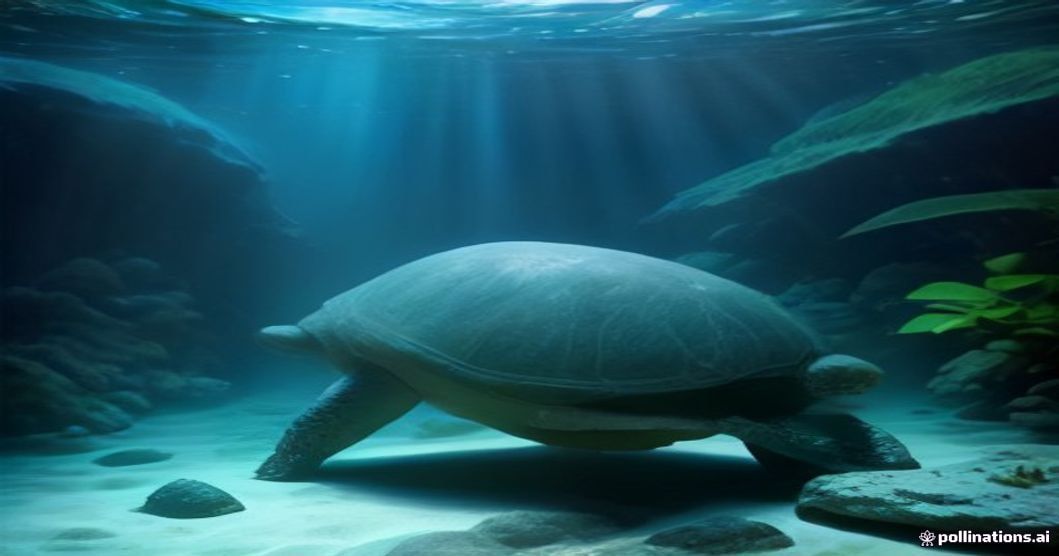
An Evolutionary Marvel: Introducing the Pig-Nosed Turtle
The pig-nosed turtle (Carettochelys insculpta), also widely recognized as the Fly River turtle, represents one of the most anatomically distinct and phylogenetically isolated chelonians on Earth. As the sole surviving member of the ancient family Carettochelyidae, this remarkable reptile serves as a biological bridge between standard freshwater turtles and marine turtles. Originating from freshwater river systems and lagoons across northern Australia and southern New Guinea, the species is renowned for its fleshy, porcine snout and true flipper-like limbs, which grant it exceptional hydrodynamic agility.
Unique Anatomy and Behavioral Ecology
Unlike standard freshwater turtles that possess webbed clawed feet and a rigid horny carapace, Carettochelys insculpta features a leathery, skin-covered carapace and flippers analogous to those of sea turtles. Their distinctive snout acts as a snorkel, allowing the turtle to breathe while remaining almost entirely submerged beneath murky aquatic vegetation. The snout is heavily innervated and sensory-rich, utilized primarily to probe muddy riverbeds for food. In the wild, pig-nosed turtles are almost entirely aquatic, with females venturing ashore exclusively to deposit eggs in sandy embankments during the nesting season.
Enclosure Parameters and Water Quality Management
From an captive husbandry and veterinary perspective, maintaining a pig-nosed turtle is exceptionally demanding. Adults can achieve shell lengths exceeding 50 to 70 centimeters (20 to 28 inches) and weigh up to 20 kilograms (44 pounds), precluding them from conventional domestic aquaria. A minimum enclosure volume of 300 to 500 gallons is required for juveniles, while mature adults necessitate custom indoor lagoons or dedicated ponds equipped with heavy-duty industrial filtration. Water parameters must be maintained meticulously: temperatures should range between 26°C and 30°C (78°F to 86°F), with a stable neutral to slightly alkaline pH of 7.2 to 8.0. Ammonia and nitrites must consistently remain at zero, as poor water quality rapidly induces severe dermatological and shell pathologies.
Nutritional Protocols and Veterinary Dietetics
The pig-nosed turtle is an opportunistic omnivore with an inclination toward herbivory as it matures. In their native ecosystems, their diet consists of fallen riparian fruits (notably figs), aquatic macrophytes, mollusks, crustaceans, and insects. In specialized managed environments, their nutritional plan should include dark leafy greens (collard, dandelion, aquatic plants like duckweed and Vallisneria), paired with controlled quantities of high-fiber fruits and high-grade aquatic turtle pellets. Invertebrates such as earthworms, river snails, and small crustaceans provide essential chitin, trace minerals, and bioavailable calcium. Overfeeding protein must be strictly avoided to prevent accelerated growth rates, renal stress, and secondary metabolic disorders.
Common Health Concerns and Clinical Management
Due to their soft, leathery dermis and lack of scutes, pig-nosed turtles are uniquely vulnerable to physical abrasion, fungal dermatitis (Saprolegnia spp.), and ulcerative shell disease caused by bacterial pathogens such as Aeromonas and Pseudomonas. Substrates should consist of smooth, fine sand to prevent skin lesions. Pig-nosed turtles are also highly territorial; conspecific aggression frequently leads to severe bite wounds, necessitating single-specimen housing in captivity. Routine physical examinations should monitor body condition, ocular clarity, cloacal health, and the firmness of the leathery carapace.
Conservation Status and Ethical Considerations
Carettochelys insculpta is classified as Endangered by the IUCN and listed under Appendix II of CITES. Native populations face critical pressure from illegal wildlife poaching, habitat disruption, and excessive egg harvesting. Given their immense size, rigorous water management demands, and vulnerability to clinical decline in suboptimal environments, keeping a pig-nosed turtle should remain strictly within the purview of public aquariums, accredited zoological facilities, and licensed, highly experienced herpetologists committed to species conservation.