
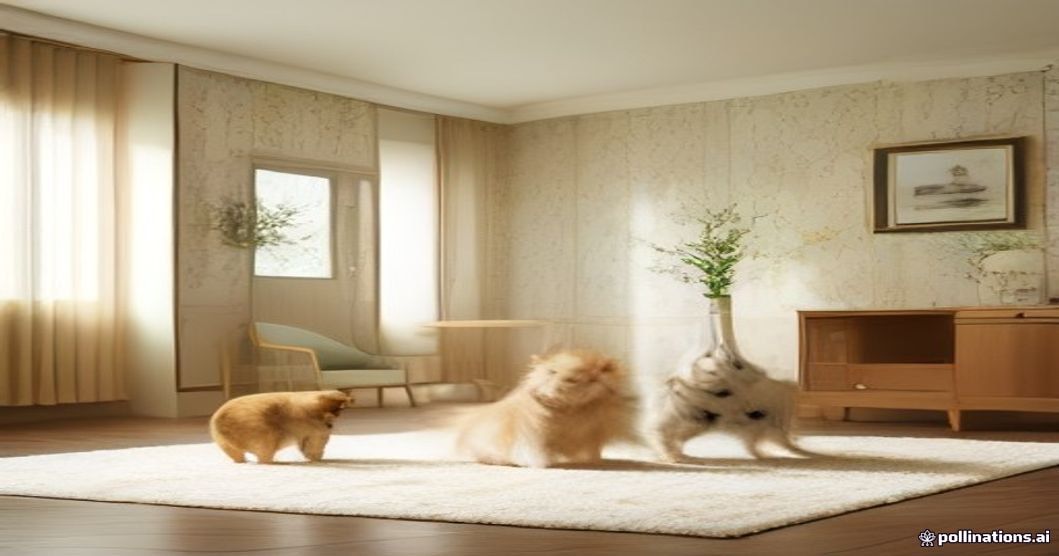
The Intersection of Interior Design and Animal Welfare
When decorating a living space, aesthetic appeal often drives material selection. However, for households with companion animals, interior finishes such as wallpaper can present unexpected behavioral challenges and veterinary hazards. Professional wallpaper designers and pet owners alike must navigate the balance between high-end aesthetics, physical durability, and biological safety. Understanding how pets interact with wall coverings allows guardians to design environments that protect both the home decor and the animals living within it.
Hidden Chemical Hazards: VOCs, Heavy Metals, and Adhesives
Traditional wallpaper manufacturing processes and pasting agents historically relied on chemicals that pose toxicological risks to pets. Volatile organic compounds (VOCs) released during and immediately after wallpaper installation can irritate the delicate respiratory tracts of dogs, cats, and particularly avian companions, whose air-sac respiratory systems are exquisitely vulnerable to airborne toxins. Furthermore, low-grade wallpapers or antique vintage papers may contain trace levels of heavy metals such as lead or cadmium in their pigments. When selecting wall coverings, veterinarians recommend choosing low-VOC or zero-VOC water-based pastes and modern wallpapers certified free of PVC, phthalates, and formaldehyde.
The Ingestion Danger: Foreign Body Obstruction and Pica
Curiosity, boredom, anxiety, or compulsive conditions like pica can drive dogs and cats to lick, peel, and consume wall treatments. Peeling paper or lifted corners are irresistible targets for paws and teeth. Ingesting strips of wallpaper, vinyl layers, or dried adhesive poses severe gastrointestinal risks. These synthetic fibers do not digest easily; once in the stomach or intestines, they can clump together, forming life-threatening mechanical obstructions that require emergency surgical intervention. If a pet demonstrates wall-licking or chewing behaviors, veterinarians advise immediate material inspection, behavioral redirection, and installation of smooth, flush finishes that eliminate grab points.
Choosing Durable and Cleanable Materials
Not all wallpapers are created equal when facing claws, fur, and everyday pet messes. Standard delicate papers and textured grasscloth coverings are easily shredded by cat scratching or dog pawing. For homes with pets, designers should prioritize scrubbable, high-performance wall coverings. Type II vinyl or non-woven breathable alternatives coated with pet-safe protective finishes resist moisture, drool, muddy splashes, and occasional biological accidents. Selecting matte or subtly patterned surfaces can also effectively disguise minor wear while allowing safe, non-toxic sanitization with pet-friendly enzyme cleaners.
Strategic Placement and Environmental Enrichment
A smart interior strategy involves placing wallpaper strategically out of high-traffic pet zones. Utilizing chair rails, wainscoting, or pet-safe ceramic tile on the lower third of walls preserves decorative wallpaper above the direct strike zone of claws and wagging tails. Pairing thoughtful architectural design with adequate physical and mental stimulation—such as designated scratching posts, climbing trees, and chew toys—ensures that animals fulfill their natural instincts on appropriate surfaces rather than your newly designed walls.