
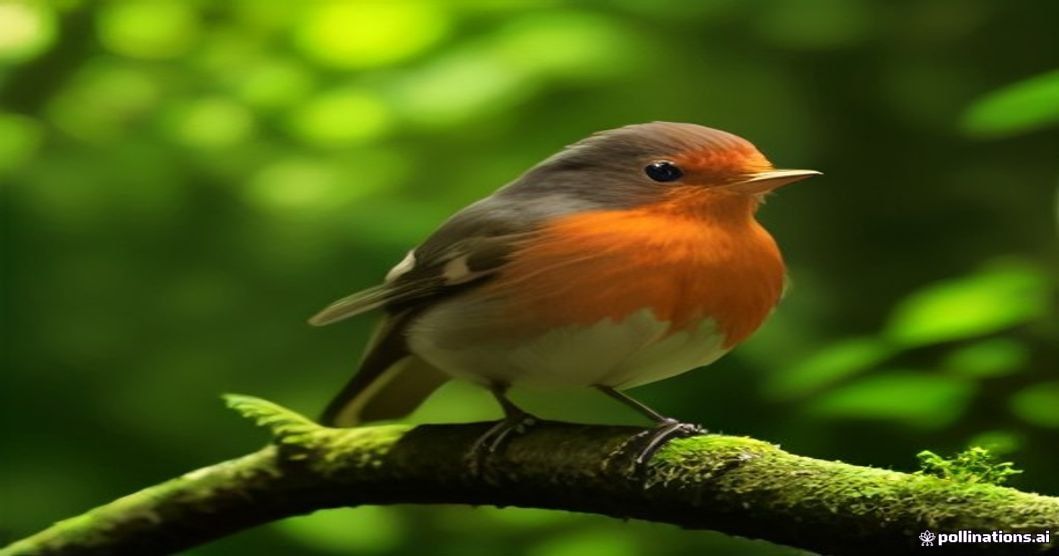
Introduction to the European Robin
The European Robin (Erithacus rubecula) is a beloved and iconic small bird belonging to the order of passerines. Instantly recognizable by its striking plumage, this species holds a unique place in both the natural world and human folklore. Unlike many other bird species, both male and female robins possess the gift of song, although males typically boast a slightly wider range of notes. Their melodic tunes are often heard during the early hours, earning the robin a reputation as a herald of dawn.
Mythology and Cultural Significance
Throughout history, the robin has captivated the human imagination. In many countries around the world, this charming bird is celebrated as a living symbol of the sunrise. Ancient Celtic and Germanic tribes revered robins, viewing them as divine messengers of the sun itself. As time progressed, these beliefs evolved; during the Norse era, robins became associated with Thor, the red-bearded god of thunder and storms. Traditional folklore held that if a robin chose to nest near a human dwelling, it would act as a protective guardian against natural disasters such as lightning strikes, fires, and floods. Because of this deep-seated reverence, destroying a robin’s nest was regarded as an act of severe barbarism, often carrying heavy social consequences for the culprit.
The Science Behind the Red Breast
Beyond the myths and melodious calls, the European Robin possesses fascinating biological traits. One of the most intriguing fun facts about the robin is the origin of its iconic bright red breast. This vibrant coloration is not merely decorative; it is a direct result of the bird’s diet, which is rich in fruits and insects containing natural pigments known as carotenoids. From an avian health perspective, the vibrancy of a robin’s red chest serves as a visual indicator of its vitality. Simply put, the more brilliant and saturated the red, the healthier and more robust the bird is!