
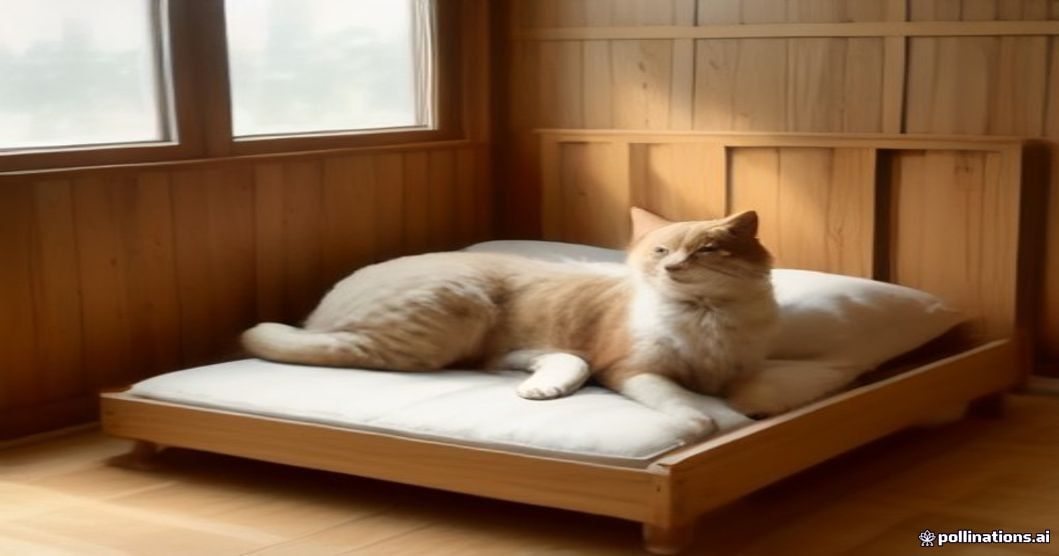
In contemporary households, companion animals are no longer relegated to the backyard or viewed merely as working animals. Instead, many owners treat their dogs and cats as beloved family members—often jokingly referred to as their ‘little humans.’ While pampering our four-legged companions is deeply satisfying, setting up a living space that genuinely supports their physical health, behavioral instincts, and long-term vitality requires a deliberate, evidence-based approach to environmental enrichment.
The Evolution of the Domestic Sanctuary
Modern pet ownership has transformed living rooms into shared sanctuaries. However, anthropomorphizing pets—treating them purely as miniature humans—can occasionally overlook their distinct biological needs. A truly supportive pet environment goes beyond aesthetically pleasing plush toys and organic treats; it considers biomechanics, sensory stimulation, and stress reduction tailored to the specific species.
Joint Health and Ergonomic Accommodations
Just like humans, aging pets or rapidly growing puppies and kittens benefit immensely from ergonomic design. Slippery hardwood or laminate flooring represents a primary contributor to repetitive strain injuries, cruciate ligament tears, and exacerbation of hip dysplasia. Strategically placing washable non-slip runners provides traction, bolstering your pet’s confidence and preserving joint integrity.
Furthermore, investing in high-density orthopedic memory foam bedding provides vital pressure relief for canines and felines prone to osteoarthritis. For senior pets or breeds with elongated spines, such as Dachshunds or Basset Hounds, pet ramps leading to resting areas eliminate the concussive force of jumping down, directly preventing intervertebral disc disease (IVDD).
Feline Verticality and Canine Sensory Zones
Cats and dogs experience their surroundings through vastly different sensory frameworks. For felines, confidence and emotional equilibrium are directly tied to vertical territory. Installing cat trees, secure wall perches, and window viewpoints satisfies their instinctual need to survey their domain from a safe vantage point, significantly reducing idiopathic stress cystitis and inter-cat aggression.
Dogs, on the other hand, are scent-driven explorers. A domestic setup that integrates mental puzzles, snuffle mats, and designated foraging zones allows canines to engage their olfactory systems. Just fifteen minutes of deliberate scent-based problem solving can expend more cognitive energy and induce more positive relaxation than a standard brisk walk around the block.
Mitigating Hidden Domestic Hazards
While modern homes are comfortable, they harbor hidden veterinary emergencies. Pet-proofing requires looking at the environment from their eye level. Popular indoor botanicals—such as true lilies (deadly to cats), philodendrons, and sago palms—must be eradicated from living spaces. Additionally, open access to high-fat human foods, electrical cords, and easily chewed soft toys presents frequent risks of acute pancreatitis or gastrointestinal foreign body obstructions.
Finding the Balance: Biological Needs Over Novelty
Setting up your companion ‘nicely’ means balancing human comfort with animal welfare. Regular veterinary examinations, species-appropriate weight management, and consistent daily exercise remain the true cornerstones of a pet’s health. By designing a home that honors your companion’s evolutionary instincts alongside modern comforts, you grant them not just a luxurious existence, but a healthier, longer, and more fulfilling life.