
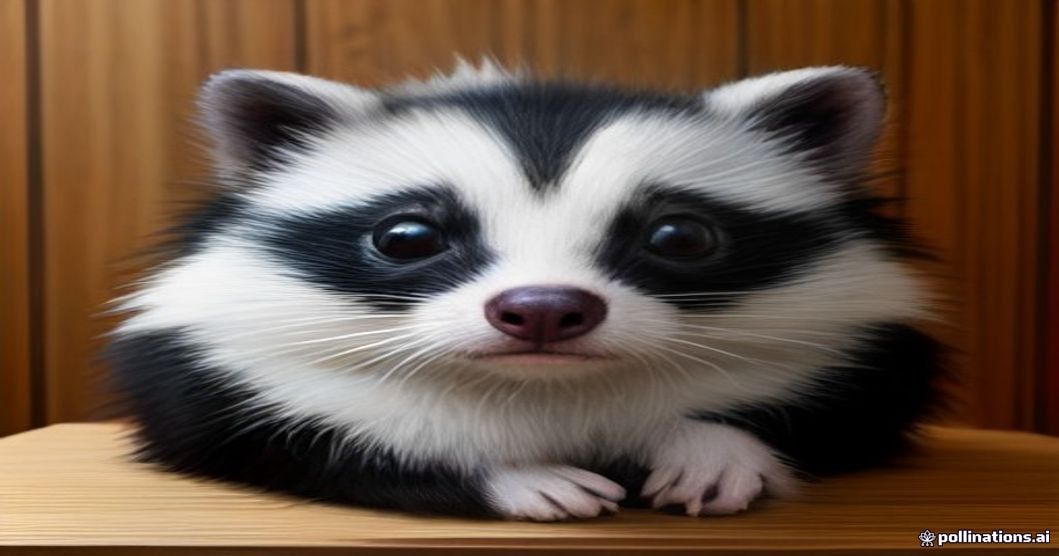
The striped skunk (Mephitis mephitis) is one of the most recognizable mammals in North America. Widely renowned for its stark black-and-white coloration and notorious chemical defense, this member of the Mephitidae family plays a vital ecological role as an opportunistic omnivore. In recent decades, captive-bred striped skunks have also entered the realm of exotic companion animals, presenting unique biological requirements and clinical challenges for veterinarians and animal caretakers alike.
Anatomy and the Defense Mechanism
Physically, the striped skunk is stout-bodied with short limbs, elongated front claws adapted for digging, and a bushy tail. Its most defining physiological feature is a pair of highly developed anal scent glands located at the base of the tail. These glands produce an oily secretion composed primarily of sulfur-containing compounds known as thiols and thioacetates. The skunk can accurately discharge this noxious spray up to ten to fifteen feet when threatened. In captive settings, surgical descenting is routinely performed at a very young age (typically between four and six weeks) by experienced exotic animal practitioners, though this procedure remains controversial in wild rehabilitation and is subject to strict regional legislation.
Nutritional Management and Metabolic Health
In the wild, striped skunks are generalist omnivores that consume insects, grubs, small rodents, amphibians, berries, and vegetation depending on seasonal availability. Replicating this dynamic nutritional profile in captivity is paramount, as skunks possess a slow metabolic rate and are exceptionally prone to obesity, hepatic lipidosis, and nutritional secondary hyperparathyroidism. A balanced diet should emphasize lean protein sources, varied fibrous vegetables, high-calcium supplements, and controlled amounts of low-sugar fruits. Commercial insectivorous or specialized omnivore diets can serve as a base, but free-feeding must be strictly avoided.
Key Health Concerns and Preventative Veterinary Care
Striped skunks are susceptible to several significant infectious and metabolic conditions. In wildlife populations, they are recognized as a primary terrestrial vector for the rabies virus in North America. Companion skunks require dedicated preventative health regimens, including routine deworming, proactive dental care to prevent periodontal disease, and specific vaccination protocols against canine distemper and rabies where licensed or recommended by state veterinarians. Furthermore, captive skunks have a high predisposition to cardiomyopathy, systemic amyloidosis, and urinary tract infections, necessitating biannual physical examinations, blood chemistry panels, and diagnostic urinalysis.
Behavior, Socialization, and Responsible Ownership
Skunks are naturally crepuscular and nocturnal creatures with inquisitive, foraging-driven behaviors. They lack the domestic breeding history of dogs and cats, which means their natural instincts—such as burrowing, scratching, and denning—remain strong. Enriching their environment with foraging toys, puzzle feeders, and secure sleeping enclosures is essential to prevent stereotypic behaviors and anxiety. Prospective keepers must recognize that captive skunks require extensive patient socialization, legal permits in many jurisdictions, and committed lifelong care to thrive in a domestic setting.