
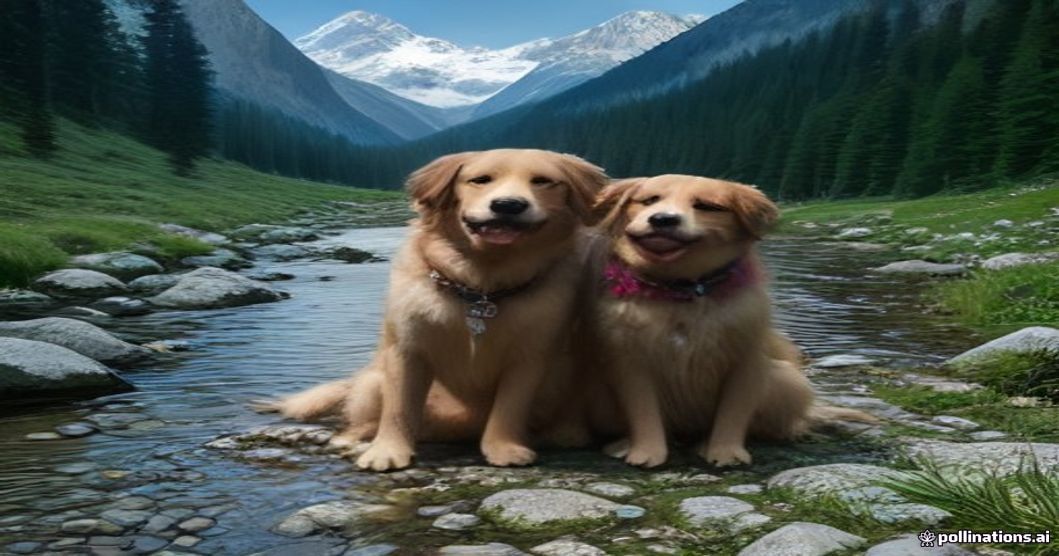
Nestled in the pristine heart of Trentino-Alto Adige within the broader Val di Sole, Val di Rabbi stands as one of the Italian Alps’ most breathtaking natural sanctuaries. Carved by the crystal-clear, rapid waters of the Rabbis torrent, this alpine haven offers verdant meadows, dense larch forests, and stimulating trails for active dogs and their human companions. However, venturing into an alpine valley with high-gradient mountain streams presents unique physiological and environmental challenges that require thoughtful preparation and sound veterinary guidance.
The Dual Nature of the Rabbis Stream: Hydration and Hydrodynamic Risks
The Rabbis stream, surging with cold glacial runoff and mountain rainfall, is an irresistible magnet for water-loving breeds. While swimming is exceptional low-impact exercise, rapid alpine torrents pose distinct hazards. Currents can easily overpower even strong canine swimmers, leading to acute exhaustion, physical trauma from submerged boulders, or submersion accidents. Keep your dog leashed or fitted with a flotation vest equipped with a sturdy handle when navigating stream banks. Furthermore, water temperatures in alpine streams often remain below 10 degrees Celsius (50 degrees Fahrenheit), which can trigger exercise-induced hypothermia or limber tail syndrome (acute caudal myopathy)—a painful temporary condition caused by restricted blood flow to the tail muscles.
Waterborne Pathogens and Natural Hydration
Despite the picturesque clarity of mountain streams like the Rabbis, wild alpine water is rarely sterile. Wildlife including deer, chamois, and alpine rodents frequently traverse the valley, introducing bacterial and protozoal pathogens such as Giardia duodenalis and Leptospira interrogans into runoff channels. Discourage your dog from drinking stagnant pools alongside the riverbed, and ensure their core vaccinations—particularly leptospirosis—are up to date prior to mountain travel. Always carry dedicated bottled water and a collapsible bowl to maintain optimal hydration without exposing your pet’s gastrointestinal tract to infectious agents.
Paw Integrity and Rocky Alpine Substrates
The trails winding through Val di Rabbi feature varied terrain, ranging from soft forest floors to sharp metamorphic rock and gravel. Extended trekking across abrasive surfaces can quickly strip paw pads, causing painful micro-tears, ulcerations, or embedded debris. Before embarking on your trek, condition your dog’s paws with veterinary-formulated pad wax to reinforce the keratinized skin. During the hike, routinely inspect the interdigital spaces for sharp pebbles, burrs, or early signs of abrasion. If your dog exhibits signs of lameness, hesitation, or continuous paw licking, stop immediately to assess the pads and apply protective canine hiking booties if necessary.
Altitude, Conditioning, and Emergency Preparedness
Val di Rabbi’s elevations climb rapidly toward the Stelvio National Park. While mild altitude changes typically do not induce severe mountain sickness in healthy canines, the reduced oxygen density elevates cardiovascular demand, especially in brachycephalic breeds or senior dogs. Gradually acclimate your pet, schedule mandatory rest intervals in shaded clearings, and watch for clinical signs of heat stress or overexertion, such as excessive panting, bright red gums, or ataxia. A well-stocked canine first-aid kit—complete with sterile saline, cohesive bandage wrap, tick removal tools, and antiseptic solution—should accompany every alpine trek, ensuring that your journey through Val di Rabbi remains safe, restorative, and unforgettable.