
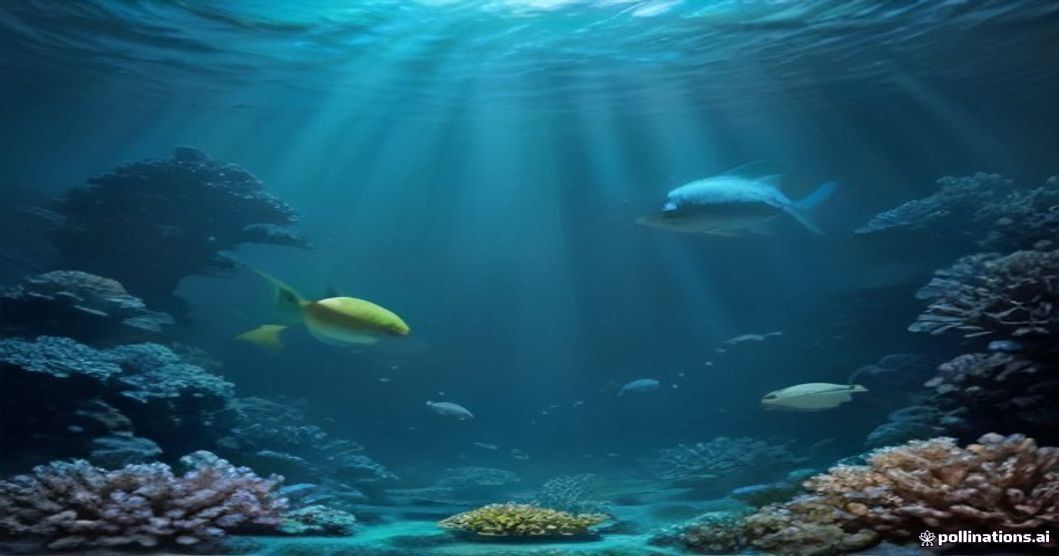
Introduction to Plectorhinchus gaterinus
Among the vibrant inhabitants of Indo-Pacific coral reefs, the Sweetlips fish, scientifically designated as Plectorhinchus gaterinus (commonly known as the blackspotted sweetlips), stands out as one of the most visually stunning marine species. Named for their notably fleshy, prominent lips, these members of the grunt family (Haemulidae) play a critical ecological role in reef ecosystems and captivate marine biologists and advanced aquarists alike.
Morphological Evolution: From Juvenile Stripes to Adult Spots
One of the most fascinating biological phenomena exhibited by Plectorhinchus gaterinus is its dramatic ontogenetic color shift. Juveniles sport longitudinal black and white stripes, paired with an erratic swimming motion designed to mimic noxious flatworms or toxic nudibranchs, effectively deterring potential predators. As the fish matures into adulthood, this juvenile camouflage undergoes a complete transformation: the stripes break apart into a dense pattern of distinct dark spots set against a pearlescent body, beautifully contrasted by vivid bright yellow fins.
Circadian Rhythms and Natural Feeding Ecology
Sweetlips display pronounced crepuscular and nocturnal behaviors. During daylight hours, schools of adult sweetlips seek shelter under large coral overhangs, sea caves, and staghorn thickets, remaining relatively inactive to conserve metabolic energy. As twilight descends, their predatory instincts awaken. Dispersing individually across sandy flats and reef crests, they root through the substrate using their sensitive, specialized lips to detect and consume benthic invertebrates, including crustaceans, polychaete worms, mollusks, and small bottom-dwelling teleosts.
Aquatic Health and Veterinary Husbandry Considerations
From a marine veterinary and husbandry perspective, maintaining sweetlips in captive environments requires substantial expertise. Adults can reach lengths exceeding 40 to 50 centimeters, demanding immense swimming space with pristine water quality. Stable parameters, vigorous filtration, and adequate dissolved oxygen levels are essential to prevent stress-induced opportunistic infections, such as cryptocaryoniasis (marine ich) and head and lateral line erosion (HLLE). Furthermore, transitioning wild-caught specimens to prepared diets demands patience, requiring varied, vitamin-enriched crustacean and mollusk offerings to ensure long-term vitality and immune function.