
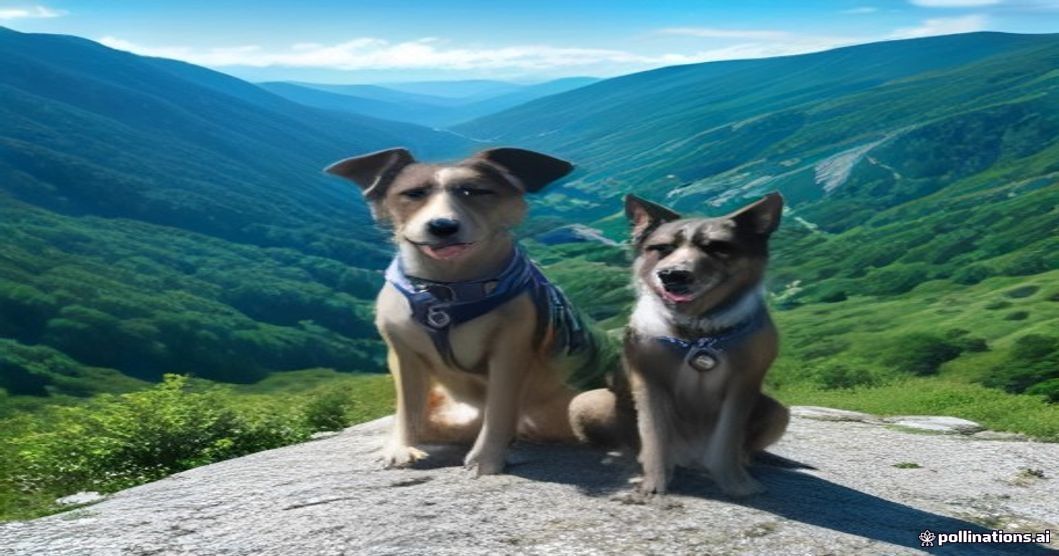
Nestled in the rugged northwest of Portugal spanning the Trás-os-Montes and Minho regions, Peneda-Gerês National Park stands as the nation’s sole national park. Renowned for its dramatic granite peaks, cascading waterfalls, and ancient oak forests, this pristine biome offers an exhilarating backdrop for outdoor adventures. However, traversing such wild, untamed terrain with a domestic pet requires meticulous veterinary preparation. As pet parents, ensuring our dogs thrive in challenging landscapes demands a proactive approach to physical conditioning, parasite defense, and environmental hazard management.
The Unique Biome of Gerês and Your Pet’s Physical Demands
Peneda-Gerês is characterized by steep elevation gradients, rocky trails, and rapidly shifting microclimates. Before embarking on a trek through this remote wilderness, an objective assessment of your dog’s cardiovascular stamina and musculoskeletal health is essential. Strenuous ascents can exacerbate underlying joint conditions such as hip dysplasia or arthritis, especially in large-breed or senior dogs. Paws are particularly vulnerable; jagged granite rock surfaces can easily cause paw pad abrasions, lacerations, or thermal burns during warmer months. Consider conditioning your dog’s pads weeks in advance with specialized paw balms, and carry fitted canine trail boots for technical scree sections.
Endemic Parasites and Preventive Veterinary Medicine
The lush river valleys and dense scrublands of northern Portugal provide an ideal habitat for external parasites, notably ticks (such as Ixodes ricinus and Rhipicephalus sanguineus) and phlebotomine sandflies. Ticks in this region can transmit debilitating vector-borne pathogens, including Lyme disease (Borreliosis), Anaplasmosis, and Babesiosis. Sandflies, which flourish from late spring through autumn, are the primary vectors of canine Leishmaniasis, a severe chronic systemic disease endemic to the Iberian Peninsula. Prior to visiting Peneda-Gerês, consult your veterinarian to ensure your pet is up to date on repelling spot-on treatments or insecticidal collars, in addition to standard vaccination protocols and systemic broad-spectrum parasiticides.
Wildlife Coexistence: Garrano Ponies, Wolves, and Native Breeds
Peneda-Gerês is a sanctuary for remarkable native fauna, including wild Garrano ponies, roe deer, and the elusive Iberian wolf. It is also the ancestral home of the formidable Cão de Castro Laboreiro, a traditional livestock guardian dog breed renowned for protecting mountain herds. Keeping your dog strictly leashed is not merely a legal obligation within protected park zones; it is a critical safety measure. Unrestrained dogs can provoke protective territorial responses from working livestock dogs, disturb sensitive native wildlife, or fall victim to hidden vertical drops, fast-flowing mountain currents, and dense thickets hiding venomous Iberian vipers (Vipera seoanei).
Hydration, Heat Illness, and Wilderness First Aid
Even in cooler mountainous climates, active dogs lose substantial fluids through panting. Stagnant natural water sources, puddles, and livestock pools along Gerês trails may harbor cyanobacteria, Giardia, or Leptospira bacteria. Always carry ample filtered water and a collapsible bowl for your companion, discouraging them from drinking from non-flowing reservoirs. Familiarize yourself with early signs of canine heat exhaustion and dehydration, such as excessive panting, thick saliva, glassy eyes, and ataxia. Packing a specialized canine first-aid kit—complete with antiseptic wash, sterile gauze, self-adherent bandages, tweezers for tick removal, and a pet-safe antihistamine prescribed by your vet—ensures you are prepared to manage minor emergencies until professional veterinary care can be reached.