
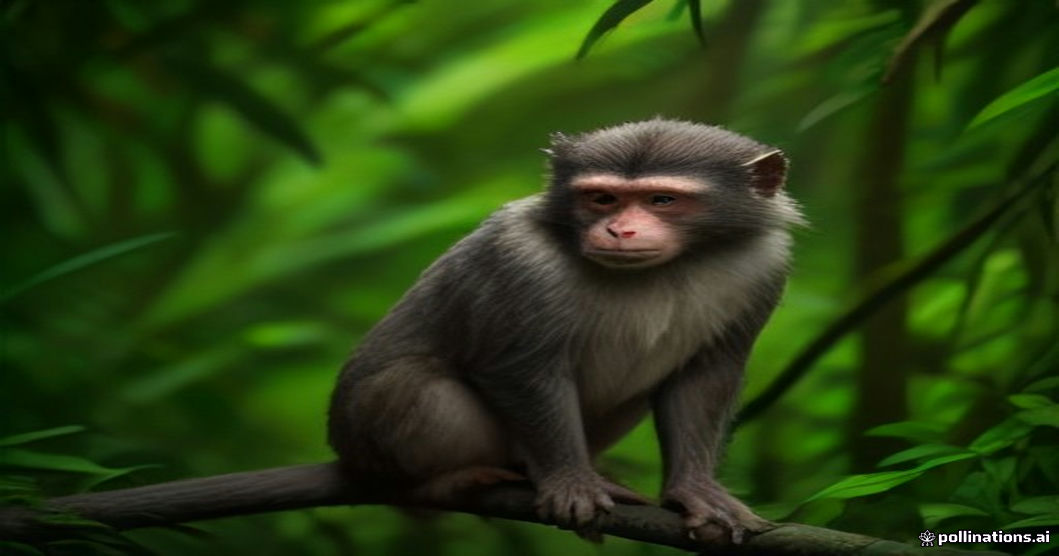
Welcome to an in-depth look at one of Asia’s most fascinating and adaptable primates: the Long-tailed Macaque (Macaca fascicularis). As a veterinarian and animal care specialist, I am always captivated by species that demonstrate such remarkable evolutionary resilience, complex social structures, and high levels of cognitive function.
Geographical Distribution and Natural Habitat
The Long-tailed Macaque boasts an impressively wide geographic range. Native populations stretch from eastern Bangladesh, through Myanmar, Thailand, and Indochina, across the islands of the Malay Archipelago, and all the way to the Philippines. These versatile primates primarily inhabit lowland tropical forests. However, their adaptability allows them to thrive in diverse environments, including mangrove forests and even areas closely bordering human settlements where they frequently interact with local communities.
Physical Characteristics and Adaptations
As medium-sized monkeys, adult long-tailed macaques typically measure between 40 to 65 centimeters in body length. True to their name, they possess a remarkably long tail that often stretches about half a meter. Their limbs are relatively short, which aids in their agile movement through the canopy and across the forest floor. One of their most distinctive physical features is their coat, which presents a gray coloration with a subtle greenish tint, paired with a dark crest on the head and striking light-colored mustaches and sideburns.
Interestingly, these macaques are also exceptional swimmers—a trait less commonly emphasized in primates. Their affinity for water extends beyond just swimming; they are frequently observed foraging along riverbanks, coastal mangroves, and tidal zones.
Diet and Omnivorous Foraging Behavior
Long-tailed macaques are true omnivores with a diverse and flexible diet. While popular myth sometimes labels them primarily as crab-eaters due to their coastal presence, crabs actually make up only a fraction of their nutritional intake. Their diet encompasses a wide variety of foods, including fresh fruits, berries, tender leaves, nuts, insects, snails, various crustaceans, and occasionally the contents of raided bird nests.
Remarkable Intelligence and Tool Use
Perhaps the most compelling aspect of the long-tailed macaque is its high level of intelligence. These clever primates are known to use stone tools to crack open various hard-shelled mollusks, a sophisticated behavioral trait traditionally associated with only a handful of animal species. This tool-use capability highlights their remarkable problem-solving skills, cultural transmission of knowledge across generations, and overall adaptability in the wild.