
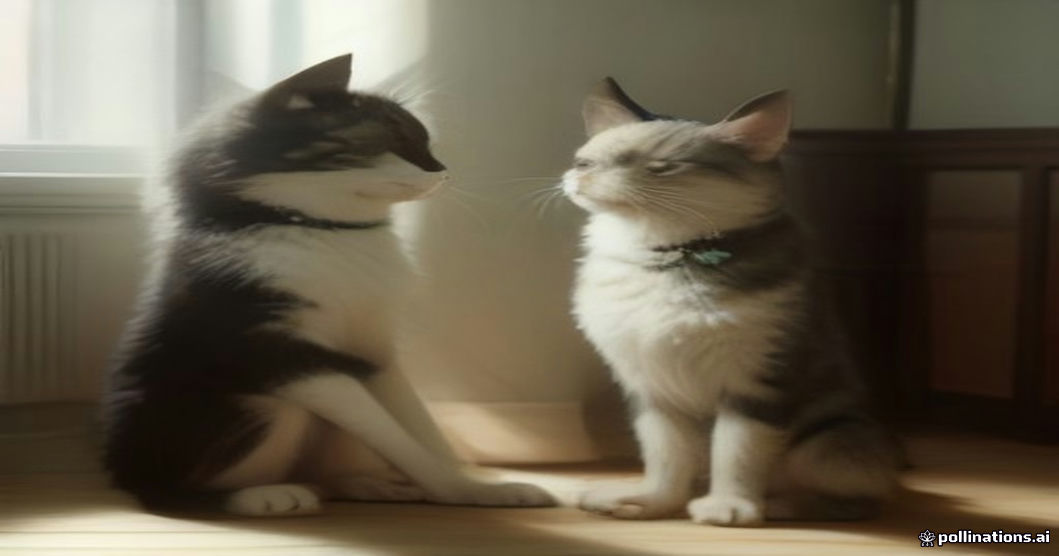
As pet lovers, we often anthropomorphize our furry companions, attributing complex human emotions to their quirky behaviors. However, when it comes to jealousy, science tells us that our pets aren’t just imagining things—green-eyed monsters are very real in the animal kingdom. Recent behavioral studies confirm that dogs, cats, and even horses can experience feelings akin to jealousy when they perceive a rival competing for their caregiver’s attention, affection, or resources.
The Science Behind Pet Jealousy
Animal behaviorists have long debated whether pets truly feel jealousy or if they are simply reacting to perceived losses. Modern research, however, points to the former. In a notable study involving dogs, researchers found that canines displayed significantly more jealous behaviors—such as snapping, pushing, or trying to get between their owner and a realistic-looking plush dog—when their owner petted the fake dog compared to when they interacted with a neutral object like a bucket. This indicates that pets possess a rudimentary form of jealousy driven by a primal desire to protect their social bond with us.
Recognizing the Signs in Dogs and Cats
Jealousy doesn’t always manifest the same way across different species. In dogs, you might notice shadowing—following you from room to room—excessive vocalization, nudging your hand away from another pet, or even sudden house-soiling as a stress response. Cats, being more subtle masters of nuance, might express their discontent by turning their backs, acting aloof, targeting the newcomer with sudden aggression, or inappropriately eliminating outside the litter box. Recognizing these behavioral cues is the first step toward restoring peace in your multi-pet household.
How to Manage and Prevent Pet Jealousy
Fortunately, managing pet jealousy is entirely possible with patience, consistency, and positive reinforcement. Always ensure that every pet in your home has access to their own resources, including food bowls, beds, and favorite toys, to reduce resource guarding. When introducing a new pet or a human baby, maintain your primary pet’s routine as much as possible and reward calm, relaxed behavior with high-value treats when they are near the object of their jealousy. By pairing the potential trigger with positive experiences, you can help your loyal companion feel secure in their special place in your heart and home.