
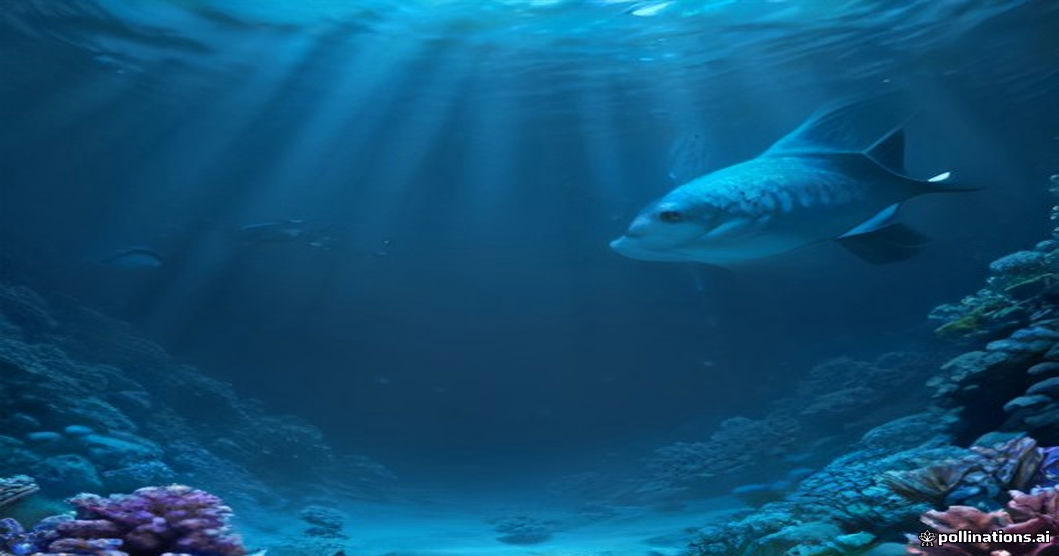
Introduction to the Peacock Grouper
The Peacock Grouper (Cephalopholis argus) is one of the most visually striking predators inhabiting tropical coral reefs. Easily recognizable by its mesmerizing electric-blue spots scattered across a rich, dark body, this species captures the attention of marine enthusiasts, scuba divers, and advanced aquarists alike.
Natural Habitat and Ecological Role
Native to the Indo-Pacific region, these vibrant fish are quintessential reef dwellers. They rely heavily on the complex structure of coral reefs for shelter, hunting grounds, and territory. As active carnivores, their diet primarily consists of small reef fish and various crustaceans, playing a crucial role in maintaining the natural balance of the marine ecosystem.
Behavioral Traits and Territoriality
One of the most fascinating aspects of the Peacock Grouper is its social and territorial structure. Adult specimens typically establish and occupy specific, well-defined reef areas. Males, in particular, are known to fiercely defend their territories from intruders, displaying remarkable vigilance and complex behavioral patterns within their underwater domain.
Aquarium Care and Considerations
While their stunning coloration makes them tempting for marine aquariums, housing a Peacock Grouper requires expertise. Due to their predatory nature and territorial instincts, they need large systems with ample hiding spots and careful tankmate selection to ensure a thriving, stress-free environment for all aquatic inhabitants.