
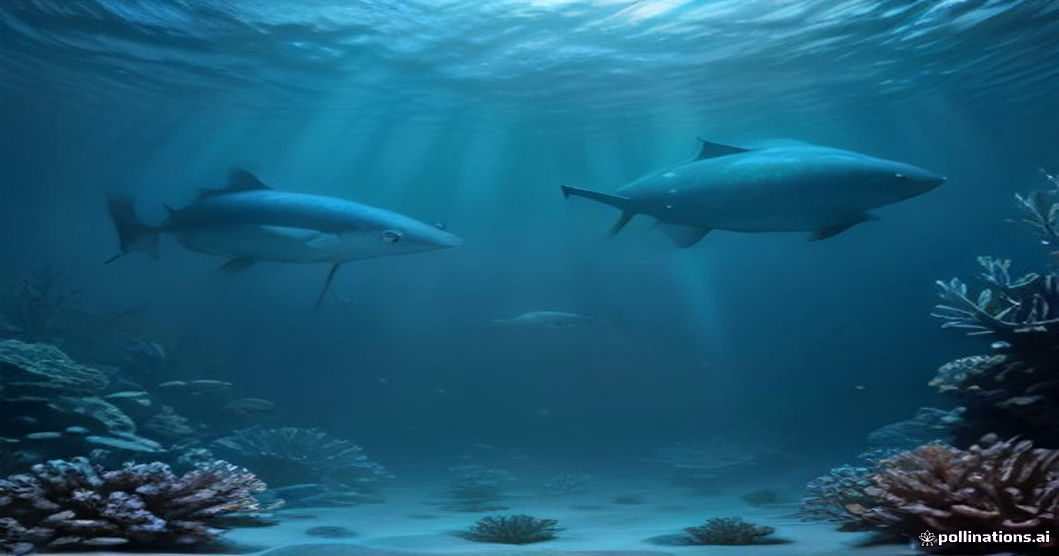
Introduction to the Yellowfin Goatfish
The Yellowfin Goatfish (Mulloidichthys vanicolensis) is one of the most fascinating and visually striking marine species found in tropical coral reef ecosystems. Renowned for their vibrant yellow fins and shimmering bodies, these fish offer marine aquarists and ocean enthusiasts a captivating glimpse into complex marine behaviors. Understanding their natural history is the first step toward appreciating their unique place in the marine environment and ensuring their optimal care if housed in a specialized aquarium setting.
Daytime Social Structures and Reef Dynamics
In their natural habitat, Yellowfin Goatfish exhibit a distinct behavioral dichotomy between day and night. During daylight hours, these social fish typically congregate in large, relaxed schools near coral reefs and protected lagoons. This schooling behavior serves as a vital defense mechanism against predators. As a veterinarian and marine care expert, I often emphasize that maintaining such social species requires careful consideration of group dynamics, as isolation can lead to chronic stress and compromised immune function in captive specimens.
Nighttime Foraging and Specialized Anatomy
As dusk approaches, the dynamics shift dramatically. The daytime schools disperse across adjacent sandy bottoms to embark on active nocturnal hunts. One of the most remarkable anatomical features of the Yellowfin Goatfish is the pair of sensitive, whisker-like barbels located beneath their chin. These barbels are packed with chemoreceptors that allow the fish to probe the sand and efficiently detect hidden worms, small crustaceans, and other benthic invertebrates buried beneath the substrate.
Aquatic Husbandry and Health Considerations
For advanced hobbyists considering the Yellowfin Goatfish in a marine setup, replicating this natural foraging behavior is crucial for long-term health. They require ample open swimming space, compatible tank mates, and a fine sand substrate to protect their delicate barbels from abrasion and subsequent bacterial infections. Providing a varied diet rich in high-quality meaty foods will ensure these active, intelligent swimmers thrive in professional and enthusiast aquariums alike.