
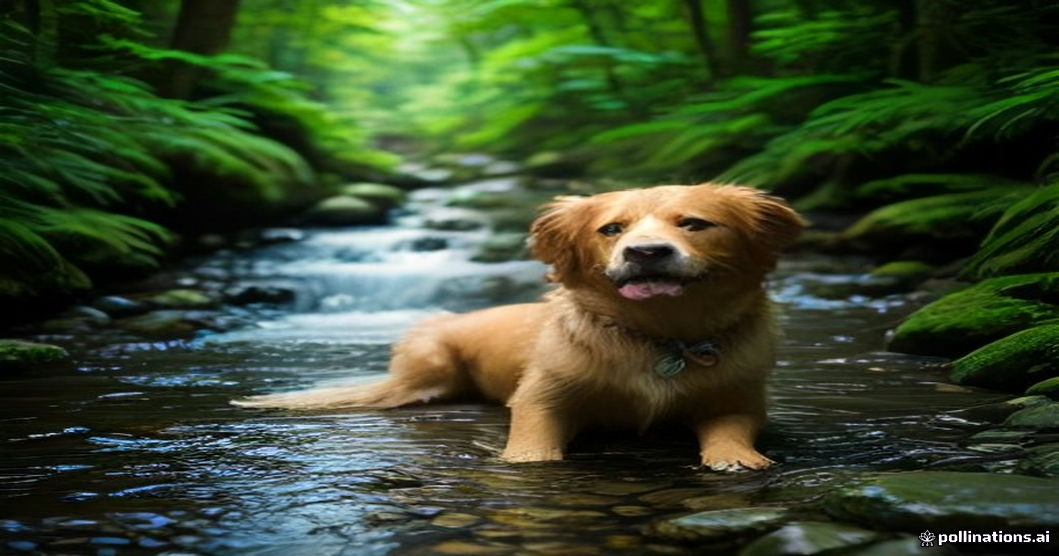
The Allure of Natural Wonders: Exploring Mavigöl Safely
The breathtaking turquoise hue of Lake Mavigöl, nestled along the lush Göksu Stream in Turkey’s Giresun Province, captivates outdoor enthusiasts across the globe. For many dedicated pet parents, there is no greater joy than sharing such extraordinary natural wonders with their canine companions. However, venturing into unique ecosystems marked by rich mineral content, rushing streams, and dense northern foliage requires specialized veterinary knowledge to ensure your pet stays safe, healthy, and happy throughout the excursion.
Water Safety and Canine Hydration in Mineral-Rich Landscapes
While the vibrant blue-green waters of Lake Mavigöl are a feast for human eyes, natural bodies of water present specific health hazards for domestic animals. Even in pristine environments, wild water can harbor waterborne pathogens such as Giardia, Leptospira, and opportunistic bacteria. Furthermore, the specialized mineral composition that creates striking turquoise coloration—often derived from dissolved calcium carbonate and sulfate compounds—can irritate a dog’s gastrointestinal lining if ingested in large quantities, leading to acute osmotic diarrhea, vomiting, and dehydration.
As a rule of thumb, never allow your dog to use scenic lakes or slow-moving stream pools as an open drinking fountain. Carry at least two liters of fresh, potable water specifically allocated for your dog, paired with a clean, collapsible silicone bowl. Offer water frequently, especially on humid days, to preemptively quench their thirst and discourage them from lapping up stream water.
Trail Hazards: Protecting Paws and Managing Strenuous Terrain
The terrain surrounding mountain lakes and river valleys often features a combination of slick river stones, sharp shale, damp moss, and exposed tree roots. Canine paw pads, while naturally resilient, are susceptible to abrasions, puncture wounds, and pad tears under these conditions. Pre-hike preparation should include inspecting your dog’s paws and applying a protective, food-grade paw balm to condition the skin against friction and moisture breakdown.
During the hike, maintain a controlled pace. Steep ascents and rocky drops place significant shear stress on canine carpal and tarsal joints, particularly in breeds prone to hip or elbow dysplasia. Keep your companion on a sturdy, non-retractable 6-foot leash equipped with a padded Y-shaped chest harness. This setup ensures adequate physical support over slick riverbanks without exerting dangerous pressure on the trachea or cervical spine.
Parasite Prevention and Woodland Health Considerations
The dense, humid microclimate characteristic of the Black Sea region’s forested river valleys serves as an ideal habitat for external parasites, notably ticks (Ixodes species) and biting flies. Before embarking on any wilderness adventure, verify that your pet is fully up to date on broad-spectrum veterinary parasite preventatives covering ticks, fleas, and heartworm-transmitting mosquitoes.
Conduct comprehensive ‘nose-to-tail’ tick checks every two hours along the trail, paying special attention to the interdigital webbing between the toes, the inner ear flaps, the groin, and beneath the collar. Prompt removal of ticks with an ergonomic tick-removal tool dramatically reduces the transmission risk of vector-borne illnesses such as Lyme disease and Anaplasmosis.
Packing a Dedicated Canine First-Aid Kit
Every wilderness excursion demands emergency preparedness. A compact pet first-aid kit should accompany you on every trail. Essential items include self-adhering cohesive bandages (Vetrap), sterile saline solution for eye and wound irrigation, medical tweezers, canine-safe antiseptic wipes (chlorhexidine-based), styptic powder for torn nails, and an emergency sling suitable for your dog’s weight. By pairing thoughtful veterinary preparation with an appreciation for natural beauty, you and your four-legged companion can safely experience the wonder of world-class aquatic trails.