
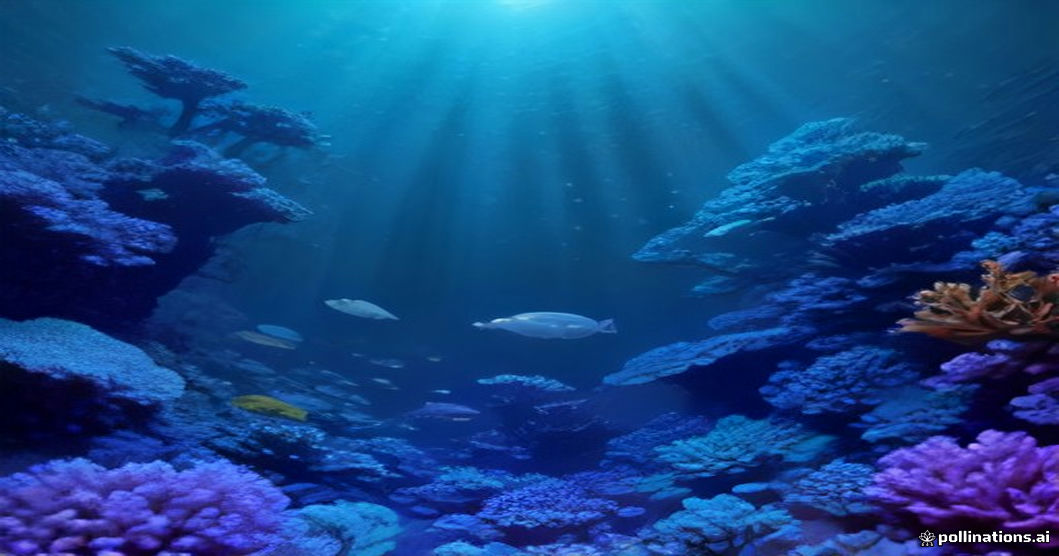
An Introduction to the Rainbow Variola
Among the kaleidoscopic inhabitants of tropical marine ecosystems, the Rainbow Variola—frequently associated with the magnificent lyretail groupers of the genus Variola—stands out as one of the most breathtaking predators in the ocean. Sporting a brilliant array of hues, intricate spotting, and an elegant lyre-shaped caudal fin, this teleost fish captivates marine biologists, public aquarists, and divers alike. Beyond its visual splendor lies a formidable hunter that plays a pivotal role in maintaining the ecological equilibrium of coral reef environments.
Habitat, Range, and Depth Adaptations
The Rainbow Variola is primarily native to the warm, biodiverse waters of the Indo-Pacific region, flourishing around seaward reefs, lagoons, and dramatic drop-offs. While recreational divers most frequently encounter this species gliding through sun-drenched shallow waters between 5 and 30 meters, these fish exhibit extraordinary bathymetric adaptability. Documented accounts reveal that adults can thrive at depths descending up to 300 meters. Navigating these deeper mesophotic zones requires specialized physiological resilience to withstand high hydrostatic pressure, reduced ambient light, and fluctuating thermal layers.
Morphology and Feeding Ecology
Reaching an impressive adult length of up to 80 centimeters, the Rainbow Variola is built for power and swift acceleration. Its elongated, compressed body is cloaked in vivid shades of crimson, orange, and purple, accented by iridescent blue flecks and brightly rimmed fins. As apex and upper-mesopredators, their nutritional ecology revolves around high-protein marine fare. In their native habitats, they stalk and ambush a diverse selection of smaller reef fishes, benthic crustaceans such as crabs and mantis shrimp, and occasional cephalopods. Their cavernous mouths and sharp, inward-facing teeth are tailored for seizing agile prey, ensuring that weaker or overpopulated species are kept in check.
Veterinary Health and Aquarium Care Perspectives
Due to its substantial adult size and heavy bioload, the Rainbow Variola is generally unsuitable for standard domestic aquariums, requiring massive custom installations or professional public aquarium facilities. From an aquatic veterinary perspective, sustaining these animals requires strict biosecurity protocols. Groupers are notably prone to ectoparasitic infections, including Cryptocaryon irritans (marine ich) and monogenean gill flukes, making rigorous quarantine and prophylactic health evaluations crucial upon intake. In controlled environments, captive specimens demand pristine water quality with aggressive protein skimming and biological filtration, alongside a varied, vitamin-enriched diet consisting of whole fish, squid, and crustaceans to prevent nutritional deficiencies and maintain their radiant pigmentation.