
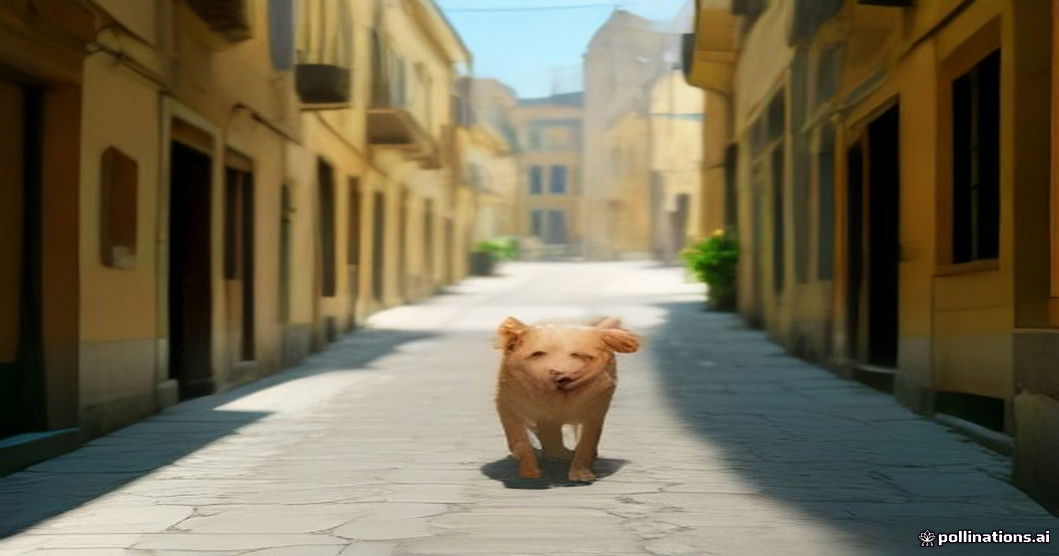
The Allure of Noto: Traveling the ‘Pearl of Sicily’ with Pets
The picturesque town of Noto, located just 32 kilometers southwest of Syracuse, is deservedly called the ‘pearl of Sicily.’ Famed for its breathtaking Sicilian Baroque architecture crafted from radiant golden limestone, Noto presents an idyllic setting for travelers. For pet owners wishing to share this cultural gem with their four-legged companions, traveling through the Mediterranean requires more than just a leash and a passport. As a veterinary professional, I often remind pet parents that historic environments and warmer climates present unique physiological challenges that require careful preparation.
Navigating the Thermal Threat: Stone Streets and Paw Health
One of Noto’s defining characteristics is its stunning stone-paved walkways and open piazzas. However, this architectural beauty can become hazardous during peak daylight hours. Porous limestone absorbs ambient thermal energy, reaching temperatures that can easily cause second-degree contact burns on delicate canine paw pads within minutes. Before traversing Corso Vittorio Emanuele, pet owners should practice the ‘seven-second rule’: place the back of your bare hand firmly against the stone. If it is too hot to hold comfortably for seven seconds, it is far too hot for your dog’s paws. Plan your strolls during early morning or late dusk when the stones have cooled, and consider using breathable protective booties or veterinary-approved paw waxes to create a moisture-retaining protective barrier.
Preventing Heat Exhaustion in the Sicilian Climate
Southern Sicily experiences intense Mediterranean sun and high temperatures, predisposing domestic pets to hyperthermia and heatstroke. Unlike humans, dogs rely primarily on panting rather than sweating to dissipate heat, a mechanism that becomes significantly less efficient in hot, humid air. Brachycephalic breeds—such as Pugs, French Bulldogs, and Persian cats—are at exceptionally high risk. Always carry a portable dispenser of fresh, cool water and enforce frequent rest stops in shaded porticos. Key warning signs of clinical heat stress include excessive panting, thick or ropy saliva, bright red or pale gums, lethargy, and ataxia. If any of these signs manifest, immediate cooling via tepid water (never ice water, which triggers peripheral vasoconstriction) and rapid veterinary intervention are vital.
Endemic Regional Pathogens: Leishmaniasis and Vector Control
Travelers venturing into Southern Italy must recognize the geographic prevalence of vector-borne illnesses, most notably Canine Leishmaniasis. Transmitted by nocturnal sandflies (phlebotomine species) flourishing in Mediterranean climates, Leishmania is a protozoan parasite capable of causing chronic systemic disease, renal impairment, and severe cutaneous lesions. Standard flea and tick treatments may not suffice against these tiny vectors. Consult your veterinarian at least four weeks prior to departure to establish a robust multimodal defense: application of pyrethroid-based repellents (such as specialized collars or topical spot-ons proven effective against sandflies) and potential vaccination. Furthermore, keep companion animals indoors from dusk to dawn, when sandfly activity reaches its peak.
Preparation for a Harmonious Journey
To fully savor the splendor of Noto alongside your pet, prepare an animal-specific travel kit including your pet’s European Pet Passport, up-to-date microchip records, proof of rabies immunization, emergency electrolyte hydration sachets, and a curated pet first-aid kit. Prior to arriving, identify local veterinary clinics in Noto and nearby Syracuse to ensure prompt care should unforeseen emergencies arise. With diligent clinical foresight and mindful management, you and your companion can safely enjoy the architectural majesty and coastal charm of Sicily’s crowning jewel.