
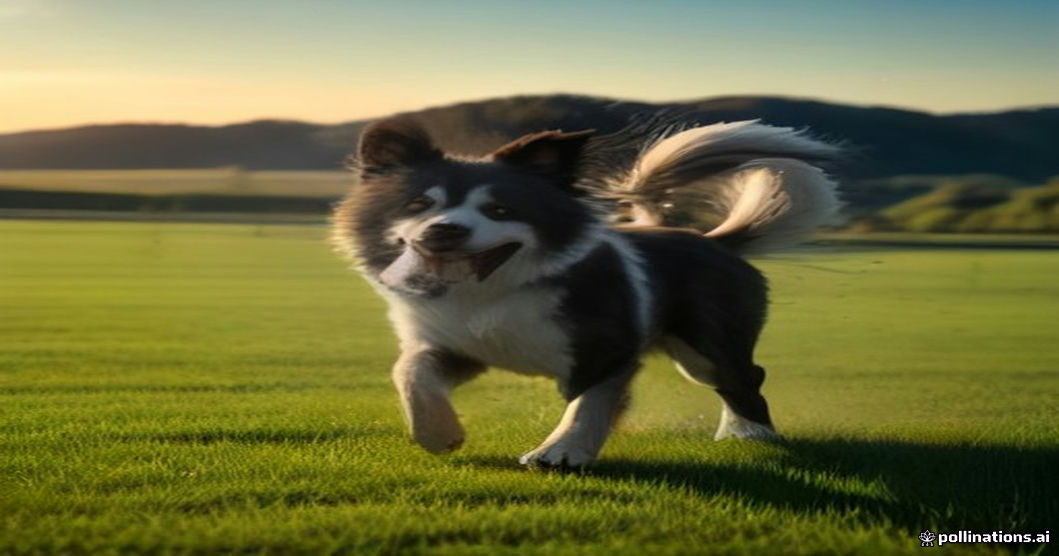
Whether your dog participates in competitive agility, flyball, lure coursing, or simply loves high-energy play, speed training can significantly enhance their physical fitness, mental sharpness, and overall quality of life. However, accelerating a dog’s pace involves far more than just throwing a ball as fast as possible. True canine speed conditioning requires a systematic, veterinary-approved approach to build explosive acceleration, cardiovascular endurance, and core stability while rigorously preventing musculoskeletal injuries.
The Foundations: Veterinary Clearance and Age Considerations
Before introducing any high-velocity drills, a thorough veterinary evaluation is essential. Speed work places intense kinetic loads on bones, joints, and soft tissues. Dogs must have closed growth plates—typically achieved between 14 to 24 months depending on the breed size—before engaging in repetitive concussive sprints. Early speed training can result in lifelong joint incongruities, microtrauma, or early-onset osteoarthritis. Additionally, breeds predisposed to hip dysplasia, patellar luxation, or cardiovascular issues must be screened to determine their safe exertion limits.
The Crucial Warm-Up Routine
Cold muscles tear easily. In athletic dogs, soft tissue injuries—such as iliopsoas strains and cranial cruciate ligament (CCL) sprains—frequently occur during sudden sprints without proper warm-ups. A structured 10-minute warm-up increases core body temperature, lubricates synovial joints, and activates the nervous system. Begin with five minutes of brisk leash walking, followed by targeted active movements such as controlled trotting, wide figure-eights, and dynamic stretches like controlled play bows, spins, and step-ups on an elevated balance disc.
Targeted Speed and Acceleration Drills
Canine speed relies on two biomechanical factors: stride frequency and stride length. To develop both safely, incorporate short, high-intensity intervals rather than prolonged, exhausting runs.
Restricted Recalls: Have an assistant gently hold your dog across the chest while you run 30 yards ahead, brandishing a high-value toy or treat. When you signal, the assistant releases the dog. The anticipation builds explosive drive from a dead stop, developing fast-twitch muscle fibers in the hindquarters.
Chute Sprints and Uphill Runs: Running up gentle, grassy inclines shifts the center of gravity, forcing the dog to engage the gluteal and hamstring muscle groups while significantly reducing concussive impact on the front carpal and shoulder joints.
Agility Weaves and Deceleration Training: Speed is useless without the ability to stop safely. Integrating short obstacle courses with decelerating cues prevents traumatic hyper-flexion of the hocks and toes by teaching your dog how to efficiently absorb kinetic energy.
Recovery, Hydration, and Heat Safety
Canine athletes generate immense internal body heat during anaerobic bursts and rely primarily on panting for thermoregulation. Never conduct speed drills in high ambient temperatures or elevated humidity, as this rapidly predisposes dogs to life-threatening exertional heatstroke. Provide frequent sips of cool water rather than large volumes all at once, which could contribute to gastric distress or bloat.
Every session must conclude with a five-to-ten-minute cool-down walk to flush metabolic waste products like lactic acid from working muscles. Incorporate rest days between sprint sessions to allow myofibrillar repair and optimal neuromuscular adaptation. With patience, progressive overload, and close attention to your dog’s physiological cues, speed training can safely transform your canine companion into a resilient, confident athlete.