
Introduction to the Fascinating Hornet Moth
The Hornet Moth (Hemaris fuciformis), often colloquially grouped with the captivating Hummingbird Hawk-Moth, is one of nature’s most remarkable examples of mimicry. As a professional veterinarian and animal enthusiast, I am always thrilled to explore species that blur the lines of biological classification. This intriguing insect effortlessly captures the attention of naturalists and gardeners alike with its unique appearance and dynamic behavior.
Habitat and Geographical Distribution
These fascinating creatures thrive in sunny, dry areas, forest glades, warm floodplain forests, southern mountain slopes, and along the meandering paths of streams and rivers. While they are primarily wild dwellers, observant gardeners may occasionally spot them visiting backyard blooms. Their expansive habitat range spans Central and Southern Europe, Northern Turkey, Afghanistan, Northwestern China, Northern India, the Caucasus, the mountains of Central Asia, Kazakhstan, almost all of Siberia, and reaches as far as Sakhalin. Remarkably, in rugged mountainous regions, they have been documented scaling altitudes of up to 2,000 meters.
Physical Characteristics and Unique Behavior
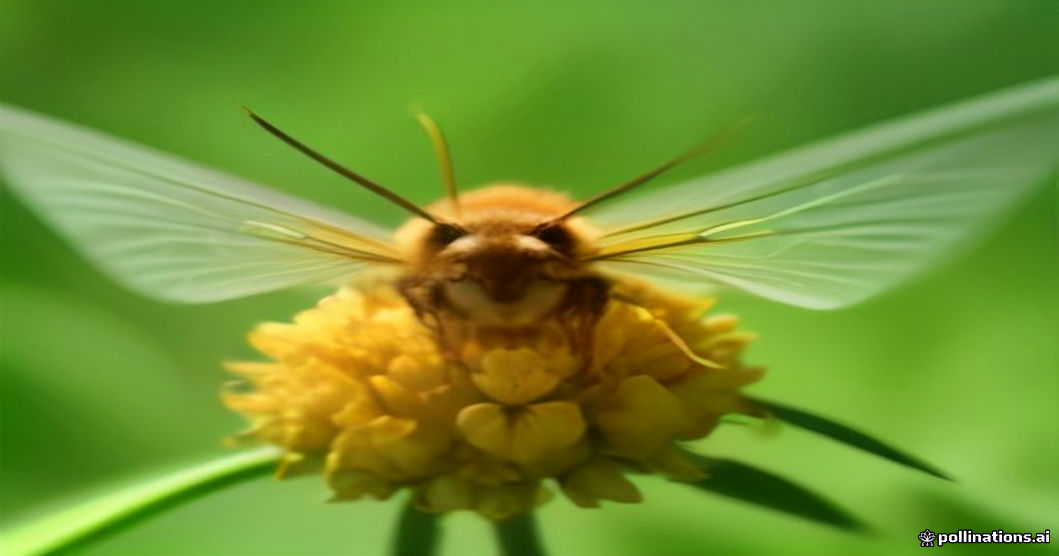
Boasting a wingspan of 38-42 mm and a forewing length of 20-24 mm, the Hornet Moth bears a striking resemblance to a bumblebee. This is largely due to their transparent wings, short yet dense abdomens, and distinctive coloration. However, what truly sets them apart is their behavior. Despite being a moth, they exhibit classic hummingbird-like traits, deftly hovering in front of flowers to feed on nectar with astonishing agility and speed. Their active flight period typically spans from late May to early July, offering a wonderful seasonal window for wildlife observers and macro photographers to witness their ecological brilliance.