
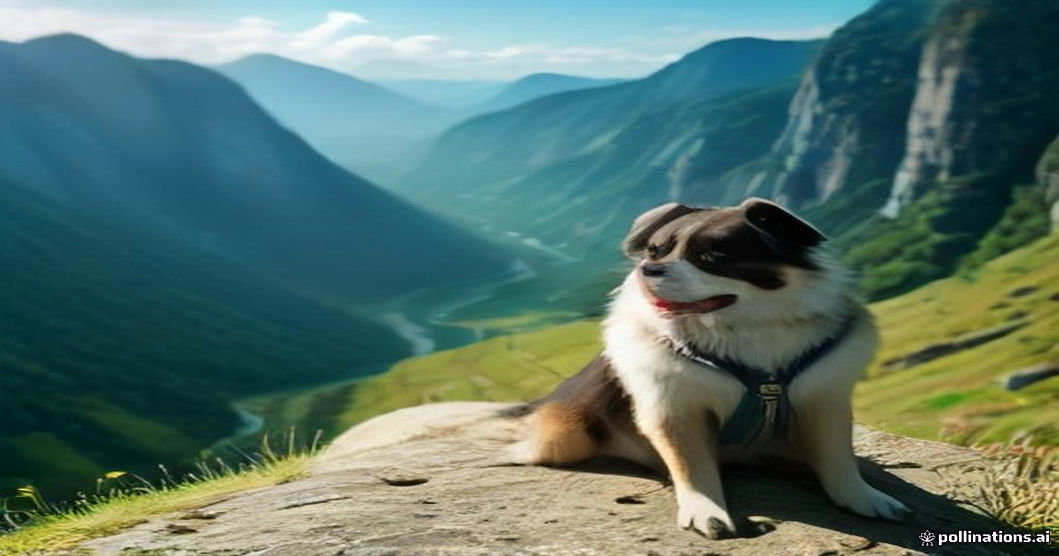
The Allure and Challenge of Vertical Landscapes
Inspired by the breathtaking limestone pinnacles of destinations like Hang Mua in Ninh Binh, Vietnam, many adventurous pet owners dream of taking their canine companions along steep, rocky ascents. However, navigating hundreds of uneven stone steps and sharp karst formations demands far more than basic enthusiasm; it requires thorough physical conditioning, paw pad protection, and acute physiological awareness to keep your pet safe from preventable trail injuries.
Musculoskeletal Strain and Joint Care on Steep Ascents
Climbing steep vertical inclines places immense concentric and eccentric load on a dog’s joints, particularly the stifle (knee), hock, and lumbar spine. For breeds prone to hip dysplasia, patellar luxation, or intervertebral disc disease (IVDD), continuous high-step climbing can precipitate acute orthopedic trauma. As a veterinarian, I recommend a tailored conditioning regimen before tackling technical hikes. Incorporate low-impact hill walking, core stability exercises, and joint-protective supplements such as glucosamine, chondroitin, and marine-derived omega-3 fatty acids well in advance.
Paw Health: Protecting Against Sharp Limestone and Hot Stone
Karst formations are composed of weathered, porous limestone that can act like coarse sandpaper or razor-sharp blades against delicate digital pads. Additionally, exposed stone pathways absorb substantial solar radiation, rapidly reaching surface temperatures capable of causing severe second-degree thermal burns. Prior to any steep climb, condition your dog’s pads using protective balms or acclimatize them to breathable, rugged canine boots. Always carry a dedicated pet first-aid kit containing chlorhexidine antiseptic solution, sterile gauze, and self-adhering cohesive wrap to treat lacerations or torn dewclaws immediately.
Thermoregulation and Hydration in Humid Climates
Tropical and subtropical climbing routes often combine intense physical exertion with oppressive ambient humidity. Because canines rely primarily on panting rather than cutaneous perspiration to dissipate heat, high ambient moisture drastically reduces evaporative cooling efficiency. Watch vigilantly for early markers of heat exhaustion: brick-red mucous membranes, thick ropy saliva, glazed eyes, and sudden ataxia. Offer small, frequent sips of fresh water rather than large volumes, and schedule ascents during the early dawn hours to bypass peak thermal radiation.
Environmental Parasites and Infectious Risks
Dense foliage flanking rocky paths frequently harbors vector-borne threats, including ticks capable of transmitting ehrlichiosis and anaplasmosis. Furthermore, stagnant water pooled in limestone crevices can harbor pathogenic Leptospira bacteria. Ensure your dog is current on comprehensive broad-spectrum ectoparasite prevention and leptospirosis vaccination before embarking on wilderness expeditions, ensuring safe travels and lasting vitality.