
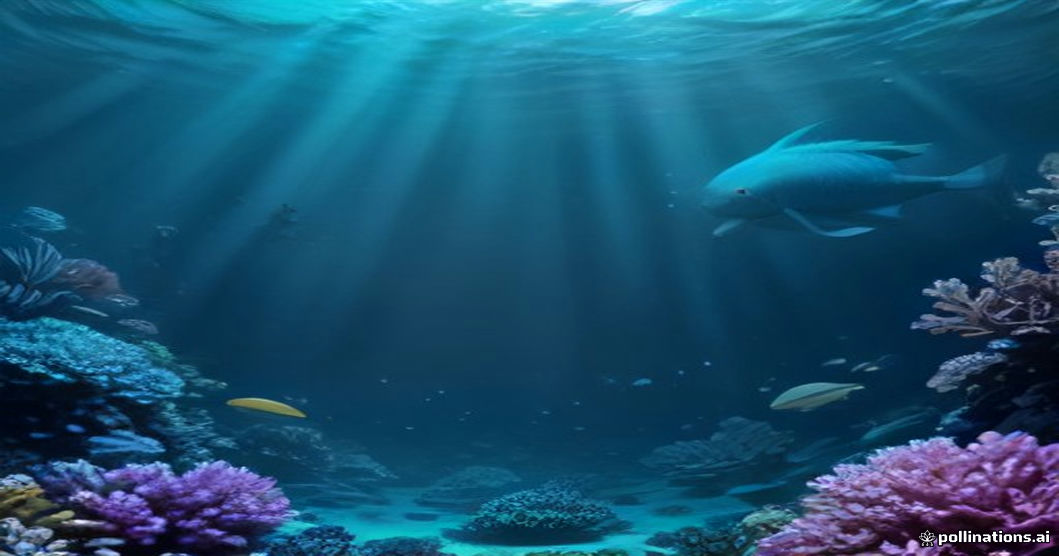
The marine world is abundant with creatures that defy conventional biological expectations, and few demonstrate this adaptability more remarkably than the Two-Toned Parrotfish (Cetoscarus bicolor). Endemic to the nutrient-rich coral reefs of the Red Sea, this species is celebrated among marine biologists, veterinarians, and aquarists not only for its striking visual transformations but also for its critical role in maintaining the equilibrium of fragile marine ecosystems.
Protogynous Hermaphroditism: A Remarkable Life Cycle
One of the most biologically fascinating traits of the Two-Toned Parrotfish is its reproductive strategy, known as protogynous hermaphroditism. In this reproductive system, individuals develop initially as females. When social dynamics within a population shift—most notably when a dominant terminal-phase male dies or is displaced—the largest, most mature female undergoes a profound physiological transition. Over a period of weeks, her hormonal profile shifts, internal reproductive organs transform to produce sperm, and her physical appearance completely metamorphoses to match that of a vibrant dominant male.
Striking Sexual Dimorphism and Chromatic Evolution
Unlike many marine species where male and female counterparts share subtle physical differences, Cetoscarus bicolor exhibits dramatic sexual dimorphism. Juvenile specimens feature a distinct creamy white body accented by a bold, vertical orange band across the head and an ocellus (eye spot) on the dorsal fin to deter predators. As they mature into initial-phase females, their coloration shifts toward darker, more subdued shades of mottled gray, dark green, and yellow-brown. However, once the transition to the terminal male phase occurs, the fish explodes into a dazzling array of electric turquoise, emerald greens, and vibrant pink margins around the scales and facial markings.
Ecosystem Engineers: Dietary Habits and Coral Health
Beyond their reproductive marvels, Two-Toned Parrotfish play a foundational role in marine ecology. Classified as specialized herbivores and bioeroders, their fused, beak-like dental plates allow them to scrape turf algae, microalgae, and seaweed directly from coral surfaces and calcareous substrates. By actively grazing on opportunistic algae, these fish prevent aggressive plant species from suffocating living coral polyps. In doing so, they clear essential real estate for new coral larvae to settle, promote reef biodiversity, and produce vital biogenic sand as a byproduct of their digestion.
Conservation and Veterinary Perspectives on Reef Stewardship
Maintaining healthy populations of Cetoscarus bicolor is directly linked to the vitality of the Red Sea’s coral reef systems. From an aquatic health perspective, specialized species like the Two-Toned Parrotfish serve as essential bioindicators; shifts in their population numbers, reproductive health, or feeding behaviors can signal early indicators of coral bleaching, temperature stress, or environmental pollution. Protecting their natural habitats ensures the preservation of these complex biological wonders for generations to come.