
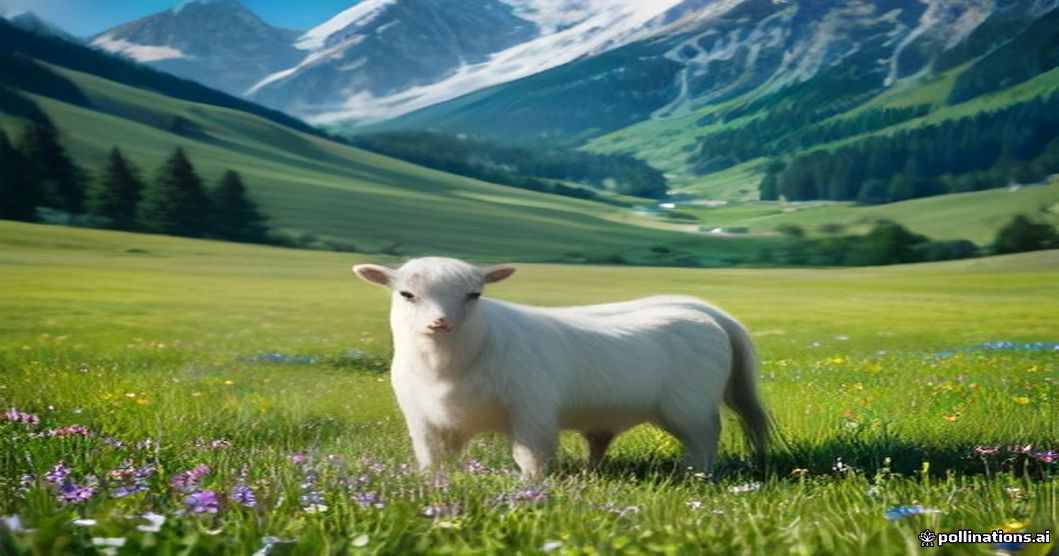
Few sights across the pastoral European landscape are as captivating as a young calf grazing against the backdrop of the Austrian Alps. Austria has long been celebrated for its superior cattle genetics, producing animals that are not only remarkably robust and adaptable to rugged terrain, but also striking in appearance. Whether observing a freshly born Fleckvieh, a distinctive Pinzgauer with its classic dorsal stripe, or a resilient Tyrolean Grey, these calves embody centuries of selective breeding focused on longevity, docile temperament, and structural beauty.
Celebrated Breeds of the Austrian Foothills
Austrian cattle breeds are revered worldwide for dual-purpose efficiency, excelling in both milk and beef production while maintaining exceptional visual appeal. The Austrian Simmental (Fleckvieh) is perhaps the most iconic, characterized by its golden-brown to red-and-white patched coat, clear white facial markings, and alert, gentle eyes. In contrast, the Pinzgauer calf features a rich chestnut coat with an unbroken white stripe running along its back, belly, and tail. These calves are naturally hardy, endowed with thick, weather-resistant coats and dense bone structure evolved to navigate steep alpine slopes.
The Critical First Hours: Colostrum and Immunity
From a veterinary perspective, the foundation of a calf’s lifelong vitality and beauty begins within hours of birth. Calves are born agammaglobulinemic, meaning they have virtually no circulating antibodies to protect against environmental pathogens. Delivering high-quality maternal colostrum—ideally testing above 22% on a Brix refractometer—within the first two to four hours of life is essential for passive transfer of immunity. An initial feeding of approximately 3 to 4 liters guarantees adequate immunoglobulin absorption before the intestinal epithelial barrier begins to close.
Rumen Development and Nutritional Staging
Achieving optimal growth rates without metabolic stress requires a meticulously balanced nutritional program. While whole milk or high-quality milk replacer provides the energy and protein necessary for initial skeletal growth and coat sheen, early rumen development must be prioritized. Introducing clean, fresh water and a palatable calf starter grain by day three encourages the establishment of anaerobic microbial populations and volatile fatty acid production. This early stimulation promotes the growth of rumen papillae, smoothing the transition to pasture grasses and high-fiber forage later in the weaning process.
Alpine Adaptation, Housing, and Environmental Health
Despite their inherent resilience, young calves require a clean, dry, and well-ventilated living environment to thrive. Proper housing must balance protection from drafts and driving alpine rains with sufficient air exchange to prevent the buildup of ammonia and airborne pathogens. Deep straw bedding provides critical nesting score capacity, allowing the calf to conserve thermal energy during cold mountain nights. Dry bedding also significantly reduces the incidence of navel infections (omphalophlebitis), joint ill, and environmental calf enteritis.
Preventative Medicine and Welfare
A proactive herd health strategy ensures the young Austrian calf reaches its full genetic potential. Routine navel dipping with a 7% tincture of iodine immediately post-calving remains a gold-standard barrier against systemic bacteremia. Furthermore, establishing targeted vaccination protocols against Bovine Respiratory Disease (BRD) complex and common enteropathogens (Rotavirus, Coronavirus, and Escherichia coli) shields developing calves during their most vulnerable growth phases. Combined with calm handling, meticulous hygiene, and balanced trace-mineral supplementation, these measures maintain both the radiant physical condition and robust welfare of these majestic alpine animals.