
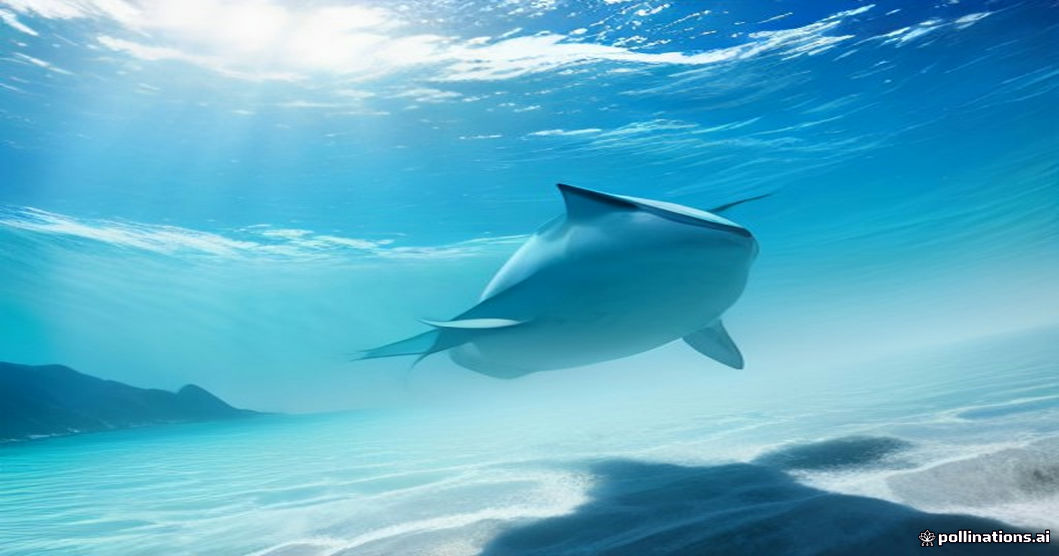
Introduction to Stingrays
Stingrays are among the most majestic and fascinating creatures inhabiting our planet’s marine environments. Known for their distinct flattened bodies and graceful, wing-like pectoral fins, these cartilaginous fish capture the imagination of aquarists and ocean lovers alike. As aquatic animal health professionals, understanding their biology and specialized care requirements is essential for ensuring their well-being, whether in the wild, public aquariums, or advanced private setups.
Anatomy and Unique Adaptations
Closely related to sharks, stingrays possess a skeleton made entirely of cartilage rather than bone. Their flattened morphology is an evolutionary adaptation designed for a benthic, or bottom-dwelling, lifestyle. Their eyes are positioned on the top of their head, while their mouth, gills, and nostrils are located on the underside. Most famously, they are equipped with one or more serrated, venomous barbed spines on their tails, which serve as a primary defense mechanism against potential predators.
Husbandry and Aquatic Health
Maintaining stingrays in a professional or captive environment requires meticulous attention to water quality and spatial design. Because they spend the majority of their time resting on the substrate, large tanks with fine, smooth sand are mandatory to prevent abrasions to their delicate ventral surfaces. Filtration systems must be exceptionally robust to handle the bioload produced by these active eaters. Regular water parameter testing for ammonia, nitrite, nitrate, and pH is a non-negotiable aspect of preventative veterinary medicine for elasmobranchs.
Nutrition and Diet
In both natural habitats and controlled environments, stingrays are opportunistic carnivores. Their diet typically consists of a diverse variety of high-quality marine proteins, including shrimp, squid, clams, and small fish. Veterinarians often recommend supplementing their diet with vitamins, particularly vitamin B1 and calcium, to prevent nutritional deficiencies and metabolic bone disease. Feeding must be carefully monitored to ensure all individuals in a habitat receive adequate nutrition without compromising water clarity.
Conservation and Human Interaction
While stingrays are generally docile and prefer to flee rather than fight, accidental encounters with humans can occur when they are stepped on in shallow waters. Conservation efforts are increasingly vital as these creatures face threats from overfishing, habitat destruction, and bycatch. Protecting these beautiful marine animals ensures the ecological balance of coastal ecosystems and allows future generations to appreciate their remarkable grace and beauty.