Avian Apex Predator: The Jabiru Stork and Its Wetland Hunts
Introduction to the Majestic Jabiru As a veterinarian and wildlife enthusiast, I am always captivated by the remarkable adaptations of tropical wetland species. The Jabiru (Jabiru mycteria) stands out as a true giant among birds. Native to the rich ecosystems of tropical America—ranging from southern Mexico down to Uruguay and northern Argentina—this magnificent stork commands […]
Introduction to the Majestic Jabiru
As a veterinarian and wildlife enthusiast, I am always captivated by the remarkable adaptations of tropical wetland species. The Jabiru (Jabiru mycteria) stands out as a true giant among birds. Native to the rich ecosystems of tropical America—ranging from southern Mexico down to Uruguay and northern Argentina—this magnificent stork commands attention through its sheer physical presence and specialized hunting prowess.
Anatomy and Physical Adaptations
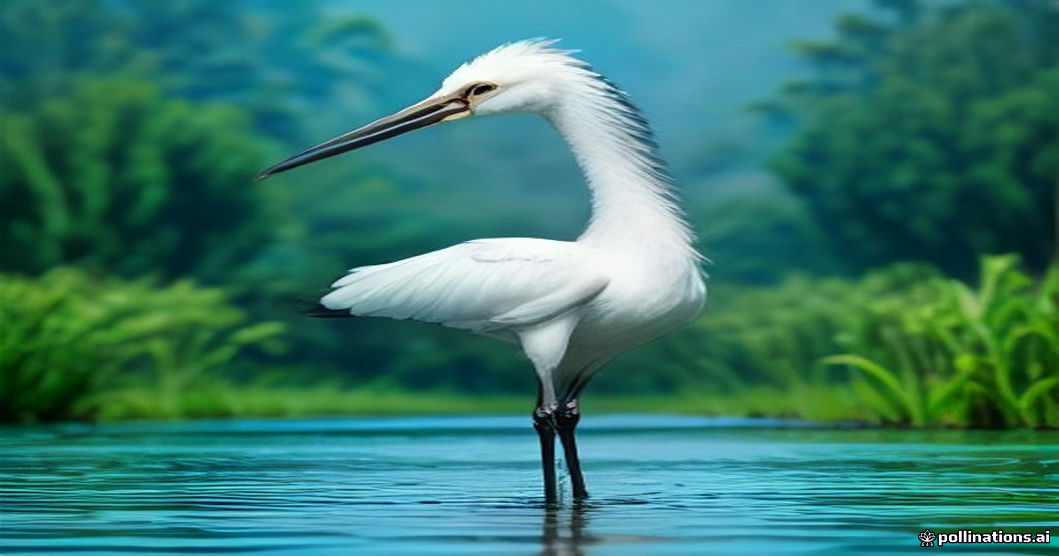
The Jabiru is an impressive avian specimen, reaching lengths of up to 1.2 meters and boasting an astounding wingspan of up to 2.6 meters. Its physical toolkit is perfectly designed for an aquatic lifestyle, featuring robust black legs, a starkly contrasting white plumage, and a powerful, slightly upturned beak that can measure up to 30 centimeters in length. The bare, featherless skin of its head and upper neck varies in color, often showing striking red hues that signal breeding readiness or emotional states.
Dietary Habits and the Marbled Swamp Eel Delicacy
As carnivores and opportunistic hunters, Jabirus play a vital ecological role in controlling aquatic populations in their wetland habitats. Their diet consists primarily of fish, amphibians, and reptiles. However, watching a Jabiru on the hunt for specialized prey, such as the elusive marbled swamp eel, reveals their exceptional patience and precision. Using their formidable bills like a spear, they wade through shallow waters, striking with lightning speed to secure high-protein delicacies essential for maintaining their massive frame.
Nesting and Social Behavior
In terms of lifestyle, Jabirus exhibit fascinating behavioral traits. They form stable, lifelong pair bonds and construct massive nests—often measuring up to 1.5 meters in diameter—made entirely of branches. These architectural marvels are placed high atop tall, dry trees or palm tree crowns, keeping them safe from ground predators. Demonstrating remarkable site fidelity, pairs will frequently return to and refurbish the same nest for multiple consecutive breeding seasons.
Cultural Significance and Conservation
Beyond its ecological importance, the Jabiru holds a revered place in human culture. Proudly serving as the national bird of Argentina, it is widely celebrated across South America as a powerful symbol of strength, freedom, and the untamed beauty of the continent’s sprawling wetlands. Protecting these wetlands is crucial to ensuring that future generations can witness this magnificent stork roaming its natural habitat.
Written by Mohammed Murtaja
Editor-in-Chief & Executive Publisher of ZooPulse. Senior investigative journalist directing evidence-based research, veterinary science verification, and editorial governance.
Related Stories
 Uncategorized
The Incredible Transformation of the Dusky Batfish: A Veterinary and Marine Care Guide
The Pinnate Batfish: Nature’s Master of Metamorphosis Among the vast array of marine species, few creatures exhibit a life cycle as visually striking and biologically fascinating as the Dusky Batfish, scientifically known as Platax pinnatus. Also commonly referred to as the Pinnate Batfish or Longfin Batfish, this Indo-Pacific marine fish challenges our perception of growth […]
 Uncategorized
Unveiling the Black Grenadier: A Fascinating Deep-Sea Dweller
Introduction to the Mysterious Black Grenadier In the vast, icy realms of the northern Pacific Ocean lies a creature of profound mystery: the Black Grenadier. As a veterinarian and animal health expert, exploring the biodiversity of our planet’s most extreme environments never ceases to amaze. While not a traditional household pet, understanding the marine life […]
 Uncategorized
The Jewel of Queensland: Exploring the Life and Courtship of Queen Victoria’s Riflebird
Introduction to an Avian Wonder Tucked away within the lush, humid tropical rainforests of northeastern Queensland, Australia, resides one of the most spellbinding avian species on the planet: Queen Victoria’s Riflebird (Ptiloris victoriae). Holding the distinct title of being the smallest member of the renowned bird-of-paradise family (Paradisaeidae), this diminutive marvel measures merely 23 to […]