The Incredible Transformation of the Dusky Batfish: A Veterinary and Marine Care Guide
The Pinnate Batfish: Nature’s Master of Metamorphosis Among the vast array of marine species, few creatures exhibit a life cycle as visually striking and biologically fascinating as the Dusky Batfish, scientifically known as Platax pinnatus. Also commonly referred to as the Pinnate Batfish or Longfin Batfish, this Indo-Pacific marine fish challenges our perception of growth […]
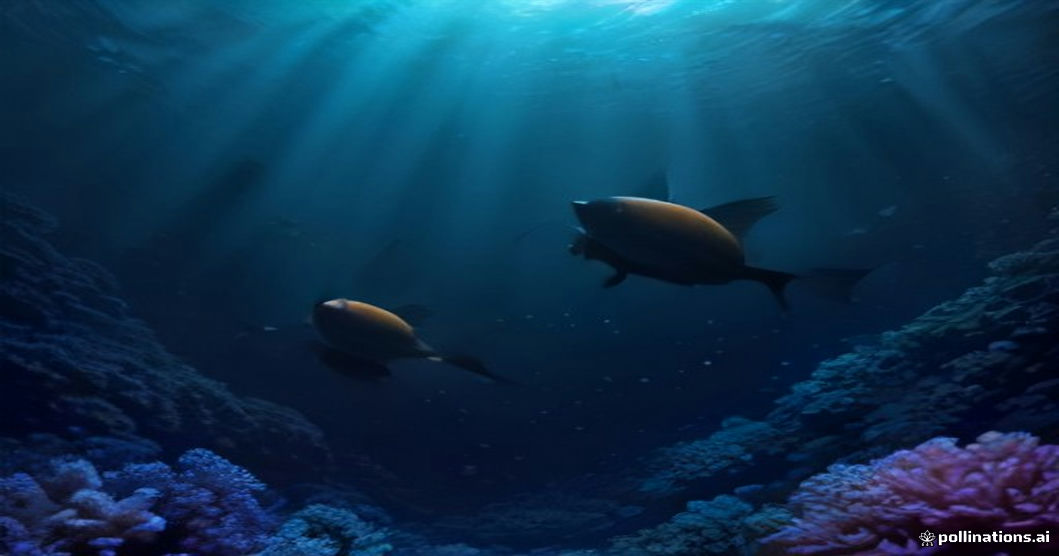
The Pinnate Batfish: Nature’s Master of Metamorphosis
Among the vast array of marine species, few creatures exhibit a life cycle as visually striking and biologically fascinating as the Dusky Batfish, scientifically known as Platax pinnatus. Also commonly referred to as the Pinnate Batfish or Longfin Batfish, this Indo-Pacific marine fish challenges our perception of growth through one of the most dramatic ontogenetic color and morphological shifts in the aquatic world. From its vulnerable larval stage to a majestic reef dweller, the species displays evolutionary adaptations designed specifically for survival in predator-dense environments.
Juvenile Mimicry: The Fiery Flatworm Illusion
In its juvenile stage, Platax pinnatus looks virtually nothing like its adult counterpart. Young batfish boast a deep, velvety jet-black body elegantly contoured by a vivid, glowing crimson-to-orange border that traces their elongated, wing-like fins. This appearance is not merely ornamental; it is a masterclass in Batesian mimicry. Juveniles flutter with an undulating, ribbon-like swimming motion that closely mimics toxic polyclad flatworms (specifically of the genus Pseudobiceros). To predatory fish, this visual and behavioral mimicry signals noxious toxicity, granting the young batfish vital protection during its most vulnerable developmental months.
The Dramatic Ontogenetic Shift to Adulthood
As the Dusky Batfish matures, its extraordinary juvenile costume gradually recedes. The elongated dorsal and anal fins shorten proportionally, and the fish assumes a laterally compressed, disc- or spade-like silhouette characteristic of the Ephippidae family. The striking neon-orange margin fades away completely, replaced by a sophisticated palette of shimmering silver, subtle yellowish hues, and dusky vertical banding across the eyes and pectoral region. Adults can reach an impressive size of up to 18 to 24 inches (45 to 60 cm) in total height, requiring vast swimming areas in their natural coral reef and lagoon habitats.
Husbandry Challenges and Aquatic Veterinary Care
From an aquatic veterinary perspective, Platax pinnatus is regarded as an advanced-to-expert species with specific ecological and physiological needs. In captivity, juvenile batfish frequently suffer from failure-to-thrive syndrome due to high stress levels and finicky feeding behaviors. Because their delicate fins are prone to physical trauma and subsequent secondary bacterial or fungal infections (such as fin rot and columnaris-like syndromes), maintaining pristine water parameters is paramount. Low nitrate levels, consistent specific gravity (1.023–1.025), and zero detectable ammonia or nitrite are critical to preventing immune suppression.
Nutritional Requirements for Long-Term Vitality
A frequent pitfall in caring for the Dusky Batfish is inadequate juvenile nutrition. In the wild, their diet transitions from small benthic invertebrates and zooplankton to macroalgae, tunicates, and cnidarians. To successfully sustain them in human care, veterinarians recommend a varied, high-protein and vitamin-enriched diet. Offering live gut-loaded brine shrimp, enriched mysis, finely chopped marine meats, and spirulina-infused formulas helps stimulate the feeding reflex in juveniles. Ensuring adequate fatty acids and micronutrients supports immune function, optimizes metabolic rate, and ensures a seamless physical metamorphosis into a healthy, magnificent adult batfish.
Written by Mohammed Murtaja
Editor-in-Chief & Executive Publisher of ZooPulse. Senior investigative journalist directing evidence-based research, veterinary science verification, and editorial governance.
Related Stories
 Uncategorized
Unveiling the Black Grenadier: A Fascinating Deep-Sea Dweller
Introduction to the Mysterious Black Grenadier In the vast, icy realms of the northern Pacific Ocean lies a creature of profound mystery: the Black Grenadier. As a veterinarian and animal health expert, exploring the biodiversity of our planet’s most extreme environments never ceases to amaze. While not a traditional household pet, understanding the marine life […]
 Uncategorized
The Jewel of Queensland: Exploring the Life and Courtship of Queen Victoria’s Riflebird
Introduction to an Avian Wonder Tucked away within the lush, humid tropical rainforests of northeastern Queensland, Australia, resides one of the most spellbinding avian species on the planet: Queen Victoria’s Riflebird (Ptiloris victoriae). Holding the distinct title of being the smallest member of the renowned bird-of-paradise family (Paradisaeidae), this diminutive marvel measures merely 23 to […]
 Uncategorized
Avian Apex Predator: The Jabiru Stork and Its Wetland Hunts
Introduction to the Majestic Jabiru As a veterinarian and wildlife enthusiast, I am always captivated by the remarkable adaptations of tropical wetland species. The Jabiru (Jabiru mycteria) stands out as a true giant among birds. Native to the rich ecosystems of tropical America—ranging from southern Mexico down to Uruguay and northern Argentina—this magnificent stork commands […]