Avian Spotlight: The Versatile and Vibrant White-throated Kingfisher
Introduction to the White-throated Kingfisher As animal health and avian care experts, we are often fascinated by the diverse adaptations found in the animal kingdom. The White-throated Kingfisher (Halcyon smyrnensis) is a magnificent example of avian resilience and beauty. Widely distributed across a vast geographic range—from Izmir in western Turkey and Cairo in Egypt, extending […]
Introduction to the White-throated Kingfisher
As animal health and avian care experts, we are often fascinated by the diverse adaptations found in the animal kingdom. The White-throated Kingfisher (Halcyon smyrnensis) is a magnificent example of avian resilience and beauty. Widely distributed across a vast geographic range—from Izmir in western Turkey and Cairo in Egypt, extending south of the Caspian Sea, north of the Persian Gulf, through Pakistan and Afghanistan, and into northwestern India—this striking bird captures the attention of birdwatchers and wildlife enthusiasts alike.
Habitat and Ecological Flexibility
Unlike many of its aquatic relatives, the White-throated Kingfisher is not strictly dependent on water habitats. While you can frequently spot them near steep riverbanks, they have successfully adapted to a variety of dry environments. These resourceful birds can be found thriving in cultural landscapes, lush palm groves, urban and rural parks, and occasionally even forest glades.
Physical Characteristics and Diet
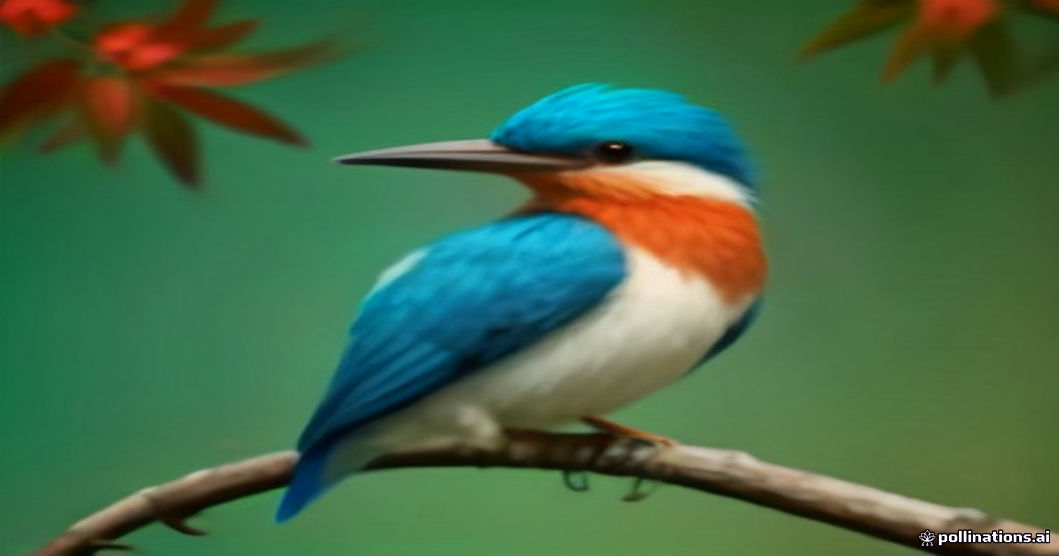
Reaching an impressive length of 25 to 40 cm, this kingfisher is visually unmistakable. Its back, wings, and tail boast a brilliant, iridescent bright blue, which contrasts sharply with the rich chestnut-brown of its head, shoulders, sides, and lower abdomen. A pristine white patch adorns its throat and chest, perfectly complemented by a robust coral-red beak and matching legs.
As an opportunistic hunter, its diet is remarkably varied. Rather than relying solely on aquatic prey, the White-throated Kingfisher feeds on large insects, rodents, snails, frogs, and occasionally even small songbirds.
Special Physiological Adaptations
Even though they spend considerable time away from water bodies, kingfishers possess remarkable anatomical features designed for aquatic foraging. A fascinating fun fact about these birds is their specialized ocular and respiratory adaptations: they are equipped with three eyelids to protect their vision underwater, and they possess the ability to voluntarily close their nostrils during a high-speed dive to prevent water intake!
Written by Mohammed Murtaja
Editor-in-Chief & Executive Publisher of ZooPulse. Senior investigative journalist directing evidence-based research, veterinary science verification, and editorial governance.
Related Stories
 Uncategorized
Unveiling the Boat-billed Heron: The Night-Stalking Ghost of the Mangroves
As a veterinarian and wildlife enthusiast, I am always captivated by the extraordinary adaptations found in nature. Among the most fascinating avian species is the Boat-billed Heron (Cochlearius cochlearius), a mesmerizing bird that calls the densely forested riverbanks and mangrove swamps of Central and South America—ranging from Mexico to Brazil—its home. A Distinctive Silhouette and […]
 Uncategorized
Nature’s Unique Dads: The Fascinating Biology of Male Seahorse Pregnancy
An Evolutionary Marvel of the Ocean In the vast and diverse underwater kingdom, few creatures challenge traditional biological norms quite like the seahorse (genus Hippocampus). While the animal kingdom overwhelmingly assigns the role of pregnancy to females, these remarkable teleost fish have flipped the script, making male pregnancy one of nature’s most captivating phenomena. The […]
 Uncategorized
Healing in the Shadow of Fujiyama: Veterinary Care and Pet Wellness Near Japan’s Iconic Peak
Introduction to Mount Fuji’s Unique Pet Culture Nestled in the breathtaking landscape surrounding Mount Fuji, or Fujiyama, the relationship between humans and their animal companions takes on a serene and harmonious quality. As one of Japan’s most revered cultural and natural landmarks, the Fujiyama region offers a unique blend of traditional Japanese pet care philosophies […]