Unveiling the Boat-billed Heron: The Night-Stalking Ghost of the Mangroves
As a veterinarian and wildlife enthusiast, I am always captivated by the extraordinary adaptations found in nature. Among the most fascinating avian species is the Boat-billed Heron (Cochlearius cochlearius), a mesmerizing bird that calls the densely forested riverbanks and mangrove swamps of Central and South America—ranging from Mexico to Brazil—its home. A Distinctive Silhouette and […]
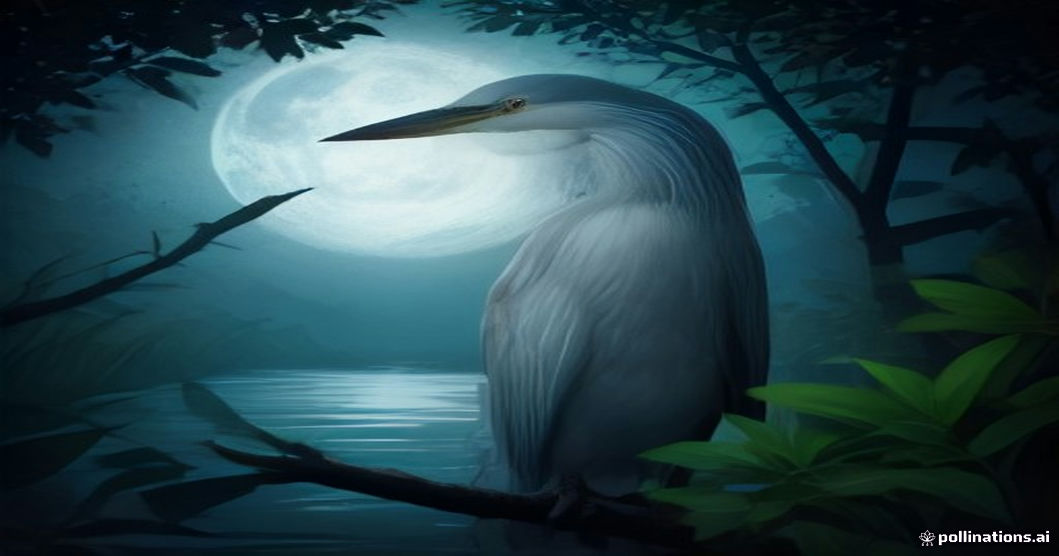
As a veterinarian and wildlife enthusiast, I am always captivated by the extraordinary adaptations found in nature. Among the most fascinating avian species is the Boat-billed Heron (Cochlearius cochlearius), a mesmerizing bird that calls the densely forested riverbanks and mangrove swamps of Central and South America—ranging from Mexico to Brazil—its home.
A Distinctive Silhouette and Unique Taxonomy
Belonging to the pelican order (Pelecaniformes), this bird is immediately recognizable by its striking black crest and a plumage that blends predominantly soft grays with a clean white forehead, sides of the head, and throat. However, its most defining characteristic is its remarkable bill. Measuring about 8 centimeters long and a whopping 5 centimeters wide, this broad, boat-shaped beak features a unique tooth-like projection at the tip of the upper mandible, perfectly engineered for its ecological niche.
Master of the Night and Specialized Diet
The Boat-billed Heron is predominantly nocturnal. To navigate the pitch-black mangrove swamps and riverbanks, nature has equipped this species with exceptionally large, light-gathering eyes. This nocturnal adaptation allows it to hunt efficiently under the cover of darkness. As a skilled carnivore, its diet mirrors that of other herons, consisting primarily of fish, crustaceans, insects, small amphibians, and occasionally even small mammals.
Solitary Lifestyle and Conservation Insights
Living a largely solitary lifestyle, the Boat-billed Heron can reach an impressive lifespan of approximately 25 years in the wild. Interestingly, despite sharing a common name with traditional herons, genetic and anatomical studies reveal that it is not closely related to true herons. In fact, it stands alone as the sole member of its genus (Cochlearius), making it a truly unique evolutionary lineage that underscores the rich biodiversity of tropical wetlands.
Written by Mohammed Murtaja
Editor-in-Chief & Executive Publisher of ZooPulse. Senior investigative journalist directing evidence-based research, veterinary science verification, and editorial governance.
Related Stories
 Uncategorized
Avian Spotlight: The Versatile and Vibrant White-throated Kingfisher
Introduction to the White-throated Kingfisher As animal health and avian care experts, we are often fascinated by the diverse adaptations found in the animal kingdom. The White-throated Kingfisher (Halcyon smyrnensis) is a magnificent example of avian resilience and beauty. Widely distributed across a vast geographic range—from Izmir in western Turkey and Cairo in Egypt, extending […]
 Uncategorized
Nature’s Unique Dads: The Fascinating Biology of Male Seahorse Pregnancy
An Evolutionary Marvel of the Ocean In the vast and diverse underwater kingdom, few creatures challenge traditional biological norms quite like the seahorse (genus Hippocampus). While the animal kingdom overwhelmingly assigns the role of pregnancy to females, these remarkable teleost fish have flipped the script, making male pregnancy one of nature’s most captivating phenomena. The […]
 Uncategorized
Healing in the Shadow of Fujiyama: Veterinary Care and Pet Wellness Near Japan’s Iconic Peak
Introduction to Mount Fuji’s Unique Pet Culture Nestled in the breathtaking landscape surrounding Mount Fuji, or Fujiyama, the relationship between humans and their animal companions takes on a serene and harmonious quality. As one of Japan’s most revered cultural and natural landmarks, the Fujiyama region offers a unique blend of traditional Japanese pet care philosophies […]