Avian Spotlight: The Vibrant Yellow-crowned Woodpecker of South America
Discovering the Yellow-crowned Woodpecker Native to the lush subtropical and tropical moist lowland forests of Brazil, Paraguay, and Argentina, the Yellow-crowned Woodpecker (Melanerpes flavifrons) is a truly stunning avian species. Standing at a compact 18 centimeters tall, these vibrant birds add a brilliant splash of color to the South American canopy. Striking Sexual Dimorphism and […]
Discovering the Yellow-crowned Woodpecker
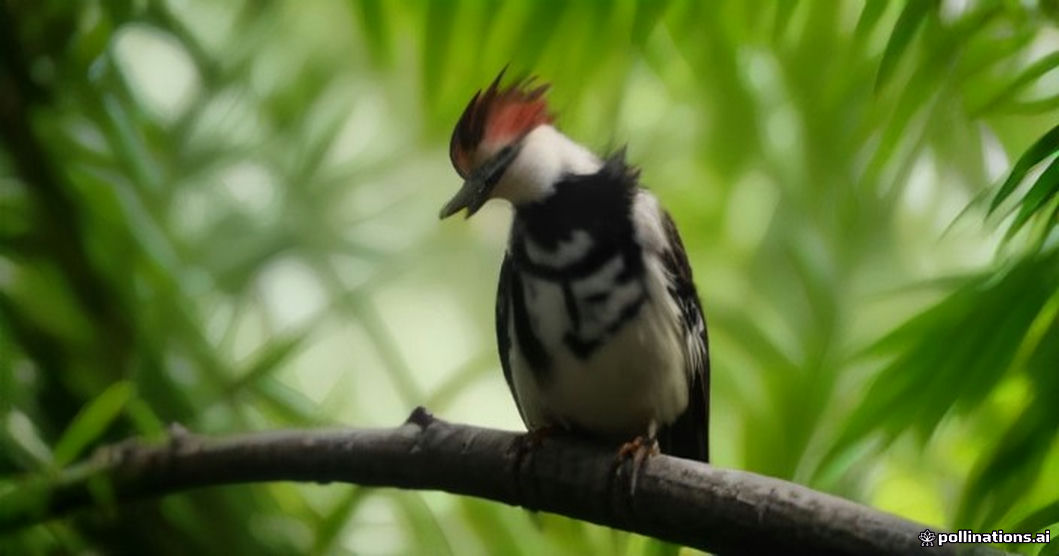
Native to the lush subtropical and tropical moist lowland forests of Brazil, Paraguay, and Argentina, the Yellow-crowned Woodpecker (Melanerpes flavifrons) is a truly stunning avian species. Standing at a compact 18 centimeters tall, these vibrant birds add a brilliant splash of color to the South American canopy.
Striking Sexual Dimorphism and Appearance
Both sexes of the Yellow-crowned Woodpecker share a remarkably colorful palette, featuring a bright yellow forehead, cheeks, chin, and throat, complemented by a broad black stripe running from the base of the bill through the eye to the nape, and a vibrant red belly. However, they display fascinating sexual dimorphism: the male proudly boasts a striking red crown and nape, whereas the female features a distinctive bluish-black area in its place.
Dietary Habits and Foraging
As adaptable foragers, these woodpeckers possess a diverse and nutritious diet. While they primarily feast on a variety of berries and succulent fruits, they also readily consume seeds, protein-rich insects, and their larvae, playing an important role in forest ecology and seed dispersal.
Fascinating Evolutionary Adaptations
Fun Fact: Woodpeckers possess a specialized third eyelid known as a nictitating membrane. This translucent or clear membrane acts like built-in protective eyewear, shielding their eyes from flying wood chips and debris while they intensely hammer and peck at trees!
Written by Mohammed Murtaja
Editor-in-Chief & Executive Publisher of ZooPulse. Senior investigative journalist directing evidence-based research, veterinary science verification, and editorial governance.
Related Stories
 Uncategorized
Arctic Wellness: Lessons in Pet Cold-Weather Safety from the Shores of Jökulsárlón
The Glacial Standard for Pet Care Jökulsárlón is the largest glacial lagoon in Iceland, a place where majestic icebergs drift through freezing waters. While this landscape is a marvel of nature, it serves as a critical reminder for pet owners: extreme cold requires specialized care. As a veterinarian, I often look to these sub-arctic environments […]
 Uncategorized
The Remarkable Jerboa: Nature’s High-Speed Desert Acrobats
Introduction to the Dipodidae Family The jerboa, a member of the Dipodidae family, is a small to medium-sized rodent that has perfected the art of survival in some of the world’s harshest environments. Native to steppes, semi-deserts, and arid deserts, these resilient creatures have fascinated naturalists for centuries. The word “jerboa” itself traces back to […]
 Uncategorized
Mastering the Art of Canine Cleanliness: Insights from a Professional Grooming Lesson
As a veterinarian and pet care advocate, I always emphasize that grooming is much more than just keeping our furry companions looking their best—it is an essential pillar of their overall health and well-being. Recently, I attended an intensive hands-on washing and bathing lesson led by master groomers, and the experience reinforced just how nuanced […]