Caribbean Spiny Lobsters: The Unsung Guardians of Coral Reefs
The Secret Protectors of the Reef When we think of marine conservation and the health of our coral reefs, colorful fish and apex predators often steal the spotlight. However, deep within the crystal-clear waters of the Caribbean, a remarkable crustacean is quietly working behind the scenes to maintain the delicate balance of its ecosystem. The […]
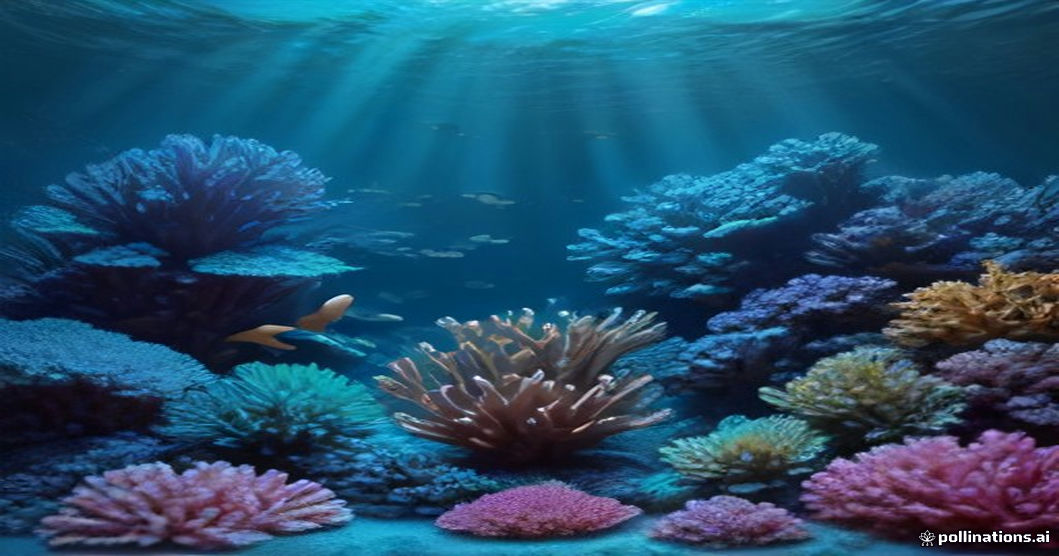
The Secret Protectors of the Reef
When we think of marine conservation and the health of our coral reefs, colorful fish and apex predators often steal the spotlight. However, deep within the crystal-clear waters of the Caribbean, a remarkable crustacean is quietly working behind the scenes to maintain the delicate balance of its ecosystem. The Caribbean spiny lobster (Panulirus argus) is far more than just a culinary delicacy; it is a vital coral guardian.
The Power of Scent: A Natural Deterrent
Recent marine research has uncovered a fascinating defense mechanism employed by the Caribbean spiny lobster. Interestingly, these creatures protect corals not by engaging in direct combat with predators, but simply through their presence. In controlled scientific experiments, the mere scent of the Caribbean spiny lobster was enough to keep bearded fire worms at bay and cause destructive coral snails to retreat temporarily. This olfactory deterrent acts as an invisible shield for vulnerable reef structures.
Why Marine Health Matters
As pet care professionals and animal health advocates, understanding the interconnectedness of all species—from domestic companions to wild marine animals—is crucial. Pests like bearded fire worms and certain coral snails can devastate reef ecosystems if left unchecked. By naturally suppressing the activity of these destructive organisms, the Caribbean spiny lobster helps preserve the structural integrity of coral habitats, which support thousands of marine species.
Protecting Our Oceans
Recognizing the ecological importance of species like the Caribbean spiny lobster highlights the necessity of sustainable fishing practices and marine conservation. Protecting their natural habitats ensures that these ‘coral guardians’ can continue to safeguard the breathtaking biodiversity of the Caribbean Sea for generations to come.
Written by Mohammed Murtaja
Editor-in-Chief & Executive Publisher of ZooPulse. Senior investigative journalist directing evidence-based research, veterinary science verification, and editorial governance.
Related Stories
 Nature
The Master of Deception: Unveiling the Fascinating and Ruthless Biology of Cuckoo Chicks
Nature’s Most Notorious Impostors Cuckoos (genus Cuculus) are renowned across the avian world for a cunning and specialized reproductive strategy known as brood parasitism. Rather than investing time and energy into building nests, incubating eggs, and rearing their own offspring, female cuckoos rely on psychological and biological trickery. They covertly lay their eggs in the […]
 Nature
Master of Deception: The Fascinating World of Avian Brood Parasites
The Secret Life of Cuckoos In the intricate theater of the natural world, survival often demands extraordinary strategies. Among the most fascinating avian behaviors is that of the cuckoo bird, a masterclass in evolutionary adaptation known as brood parasitism. Rather than expending energy building nests and raising their own young, many cuckoo species employ a […]
 Nature
Unveiling the Fascinating Pom-Pom Crab: Nature’s Tiny Boxer
Meet the Pom-Pom Crab: A Marvel of the Indo-Pacific In the vast and wondrous realm of marine life, few creatures capture the imagination quite like the Pom-Pom Crab (Lybia tesselata). Growing to a modest maximum width of about 5 centimeters, this tiny crustacean makes up for its small stature with an outsized personality and one […]