Master of Deception: The Fascinating World of Avian Brood Parasites
The Secret Life of Cuckoos In the intricate theater of the natural world, survival often demands extraordinary strategies. Among the most fascinating avian behaviors is that of the cuckoo bird, a masterclass in evolutionary adaptation known as brood parasitism. Rather than expending energy building nests and raising their own young, many cuckoo species employ a […]
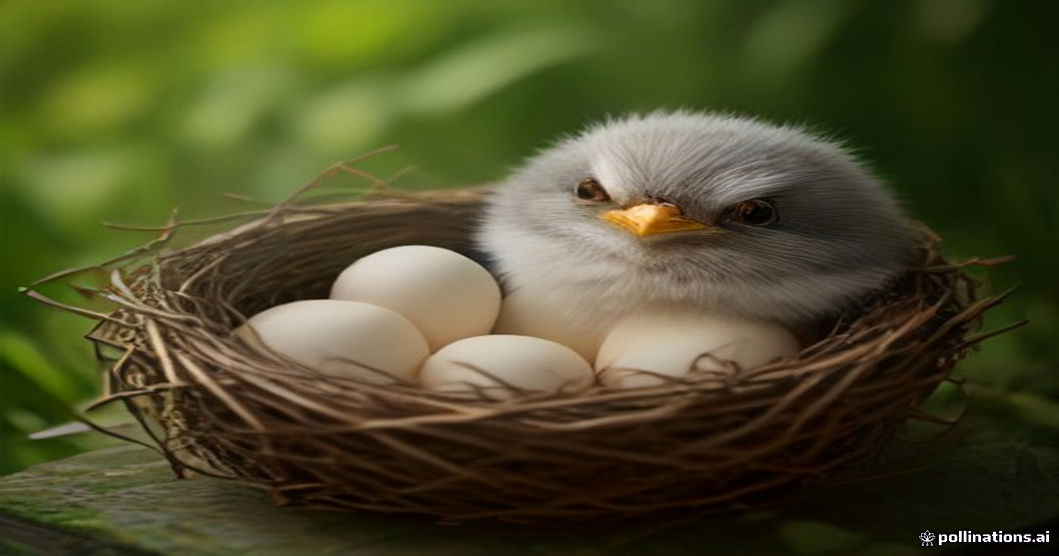
The Secret Life of Cuckoos
In the intricate theater of the natural world, survival often demands extraordinary strategies. Among the most fascinating avian behaviors is that of the cuckoo bird, a masterclass in evolutionary adaptation known as brood parasitism. Rather than expending energy building nests and raising their own young, many cuckoo species employ a remarkably cunning strategy: they lay their eggs in the nests of unsuspecting host birds.
The Art of Egg Mimicry
One of the most astonishing aspects of this parasitic relationship is the cuckoo’s ability to deceive its hosts. Cuckoos have evolved the incredible capability to mimic the visual appearance of the host species’ eggs. By matching the size, shape, and intricate color patterns of the host’s clutch, the female cuckoo ensures her egg blends in seamlessly. This visual camouflage drastically reduces the likelihood that the host bird will detect the foreign intruder and reject or abandon it.
Evolutionary Arms Race
This remarkable mimicry is just one chapter in an ongoing evolutionary arms race between cuckoos and their hosts. As cuckoos develop more sophisticated ways to trick host species, the hosts themselves evolve sharper recognition skills to protect their nests. From a veterinary and behavioral standpoint, studying these complex interactions provides invaluable insights into avian genetics, maternal instincts, and the relentless pressures of natural selection in the wild.
Written by Mohammed Murtaja
Editor-in-Chief & Executive Publisher of ZooPulse. Senior investigative journalist directing evidence-based research, veterinary science verification, and editorial governance.
Related Stories
 Nature
Caribbean Spiny Lobsters: The Unsung Guardians of Coral Reefs
The Secret Protectors of the Reef When we think of marine conservation and the health of our coral reefs, colorful fish and apex predators often steal the spotlight. However, deep within the crystal-clear waters of the Caribbean, a remarkable crustacean is quietly working behind the scenes to maintain the delicate balance of its ecosystem. The […]
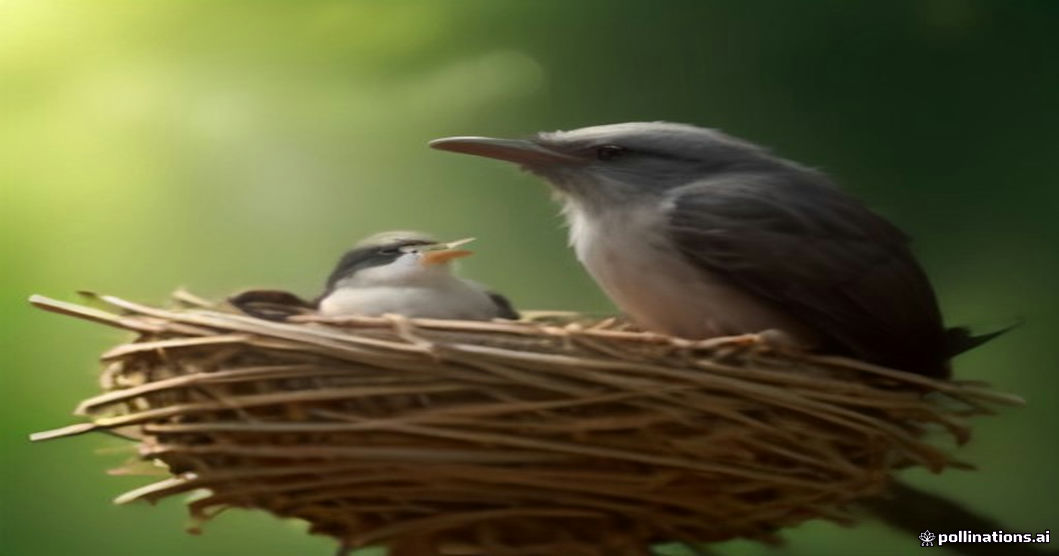 Nature
The Master of Deception: Unveiling the Fascinating and Ruthless Biology of Cuckoo Chicks
Nature’s Most Notorious Impostors Cuckoos (genus Cuculus) are renowned across the avian world for a cunning and specialized reproductive strategy known as brood parasitism. Rather than investing time and energy into building nests, incubating eggs, and rearing their own offspring, female cuckoos rely on psychological and biological trickery. They covertly lay their eggs in the […]
 Nature
Unveiling the Fascinating Pom-Pom Crab: Nature’s Tiny Boxer
Meet the Pom-Pom Crab: A Marvel of the Indo-Pacific In the vast and wondrous realm of marine life, few creatures capture the imagination quite like the Pom-Pom Crab (Lybia tesselata). Growing to a modest maximum width of about 5 centimeters, this tiny crustacean makes up for its small stature with an outsized personality and one […]