Daphnia Demystified: The Essential Guide to the Water Flea in Aquatic Ecosystems
Often referred to as ‘water fleas,’ Daphnia are tiny crustaceans that play a massive role in freshwater ecosystems. As a cornerstone of the plankton community, these microscopic marvels are essential for maintaining biological balance in both natural bodies of water and home aquaria. While many species exist, the Simocephalus genus stands out as one of […]
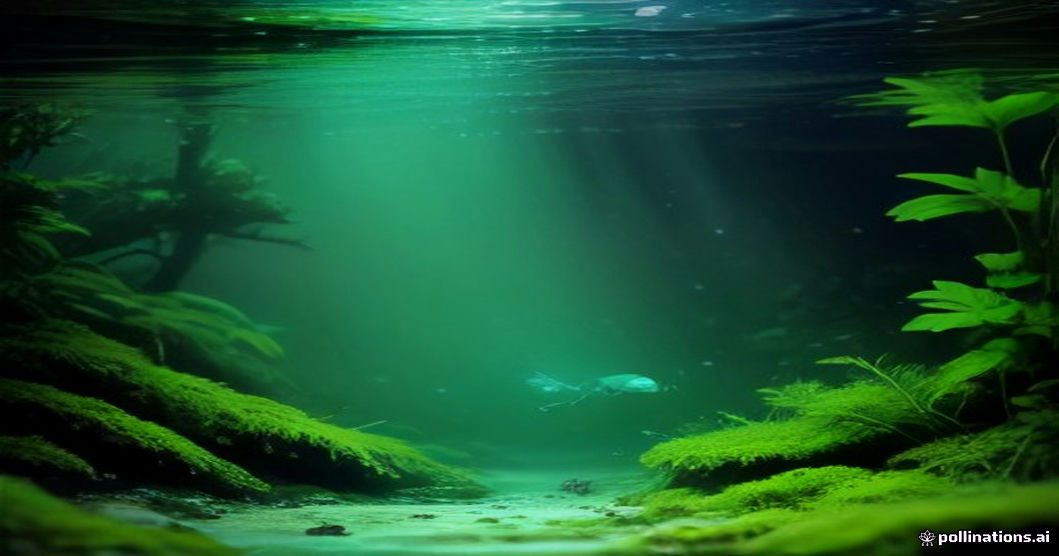
Often referred to as ‘water fleas,’ Daphnia are tiny crustaceans that play a massive role in freshwater ecosystems. As a cornerstone of the plankton community, these microscopic marvels are essential for maintaining biological balance in both natural bodies of water and home aquaria. While many species exist, the Simocephalus genus stands out as one of the largest, reaching up to 5mm in length, making them a significant focus for both zoologists and hobbyists.
The Unique Locomotion and Habitat of Daphnia
Observing Daphnia in motion is a fascinating experience. They move through the water column using powerful strokes of their rear antennae, which propel them in a jerky, distinctive motion. Depending on the specific species, you may find them darting near the water’s surface as planktonic organisms or crawling along aquatic plants and the substrate as benthic dwellers. This versatility allows them to thrive in various ecological niches within a pond or tank.
A Nutritional Powerhouse for Fish
For fish farmers and aquarium enthusiasts, Daphnia represent a premium source of nutrition. They are widely utilized as both live and dried food for a variety of fish species. Live Daphnia are particularly prized because they stimulate natural hunting behaviors and provide essential roughage that aids in digestion. Their high protein content makes them an ideal choice for conditioning breeding pairs and supporting the growth of young fry.
Ecological Indicators and Environmental Impact
Daphnia are also vital indicators of environmental health. In high densities, their populations can be so vast that they change the water’s color to a brownish tint. Because they are highly sensitive to toxins, their presence often signals a healthy, balanced ecosystem. Whether they are swimming freely or interacting with the seafloor, these tiny creatures remain one of the most fascinating and beneficial components of the aquatic world.
Written by Mohammed Murtaja
Editor-in-Chief & Executive Publisher of ZooPulse. Senior investigative journalist directing evidence-based research, veterinary science verification, and editorial governance.
Related Stories
 Uncategorized
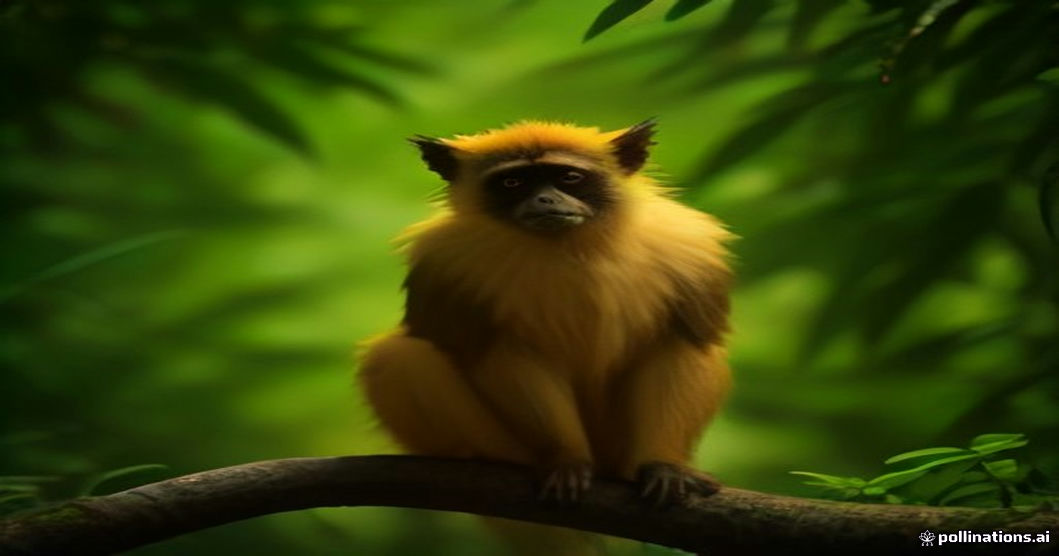
The Golden Jewel of the Canopy: Exploring the Rare Golden Langur
Introduction to a Rare Primate The Golden Langur (Trachypithecus geei) stands as one of the most striking and enigmatic primates on our planet. Found exclusively in the lush, tropical forests of western Assam, India, and the neighboring kingdom of Bhutan, this rare species serves as a vital indicator of ecological health in its narrow geographic […]
 Uncategorized
Taking Your Cat for a Walk: A Professional Guide to Feline Outdoor Safety
The Rise of the Adventure Cat Seeing your kitties out for a walk is becoming an increasingly popular trend in the pet community. While cats are often viewed as indoor-exclusive creatures, many feline companions can benefit greatly from controlled outdoor exploration. However, as a veterinarian, I must emphasize that taking a cat outside requires careful […]
 Uncategorized
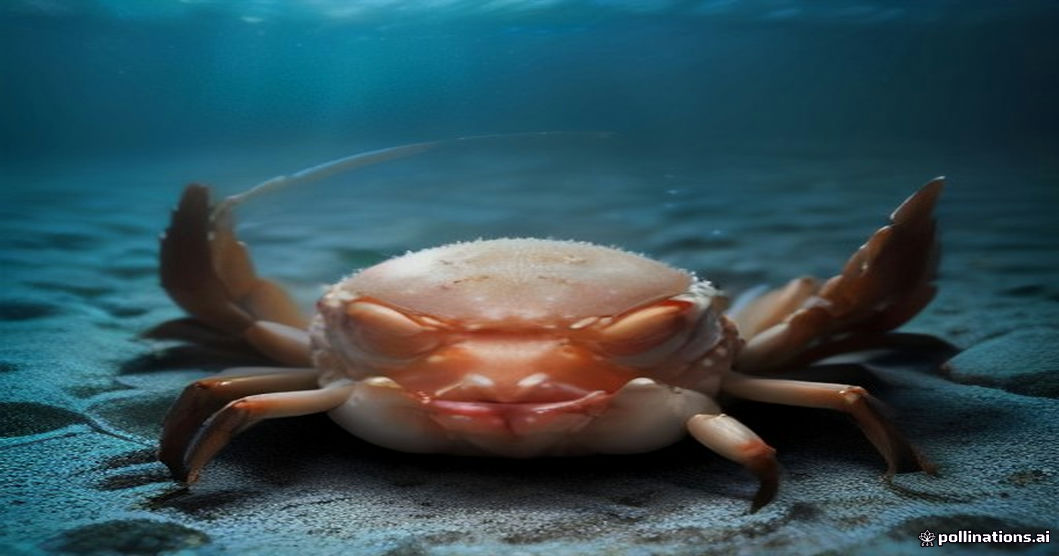
The Hidden Marvels of the Deep: Understanding the Paralomis Crab
A Unique Crustacean Encounter In the vast, mysterious depths of our oceans, there exists a creature that often escapes the casual observer’s gaze: the Paralomis genus. While they may resemble the common crabs found along the shoreline, these fascinating animals belong to a group known as king crabs, which are surprisingly more closely related to […]